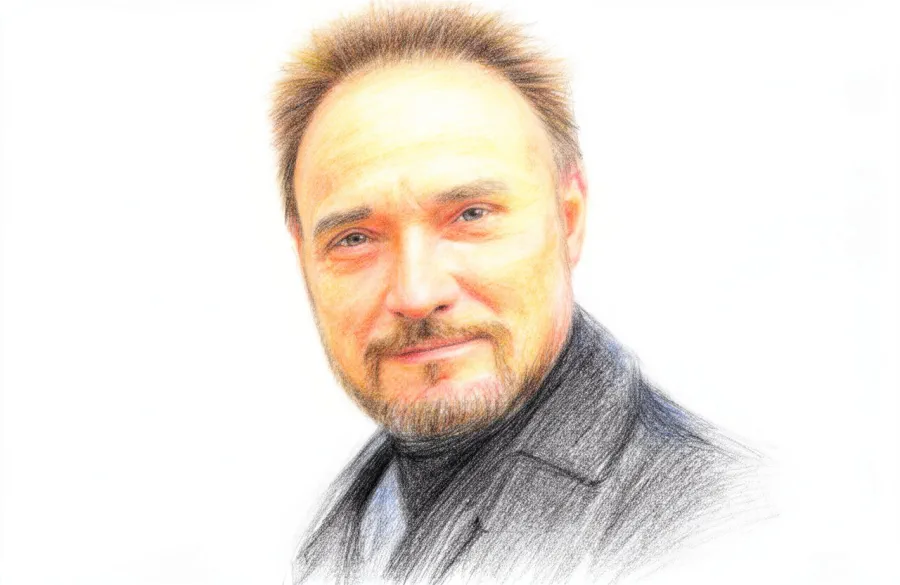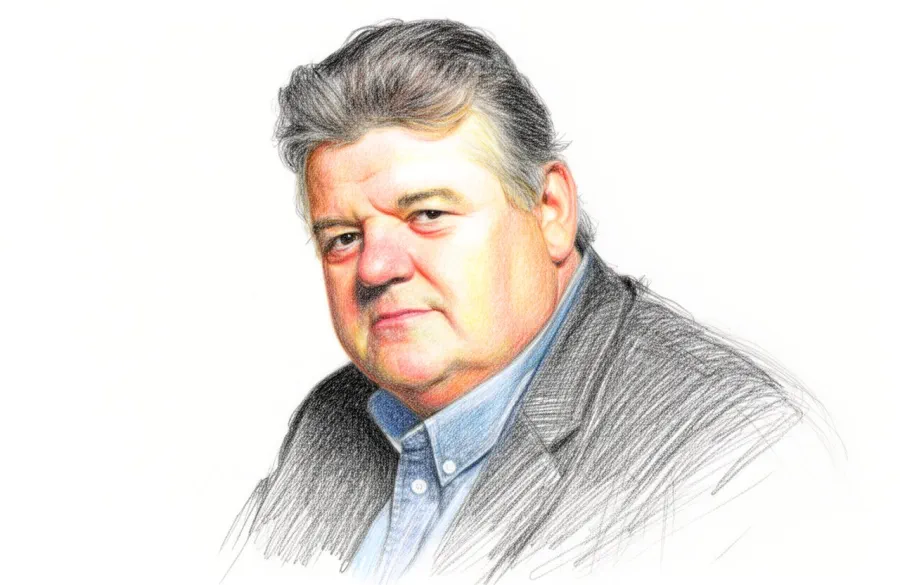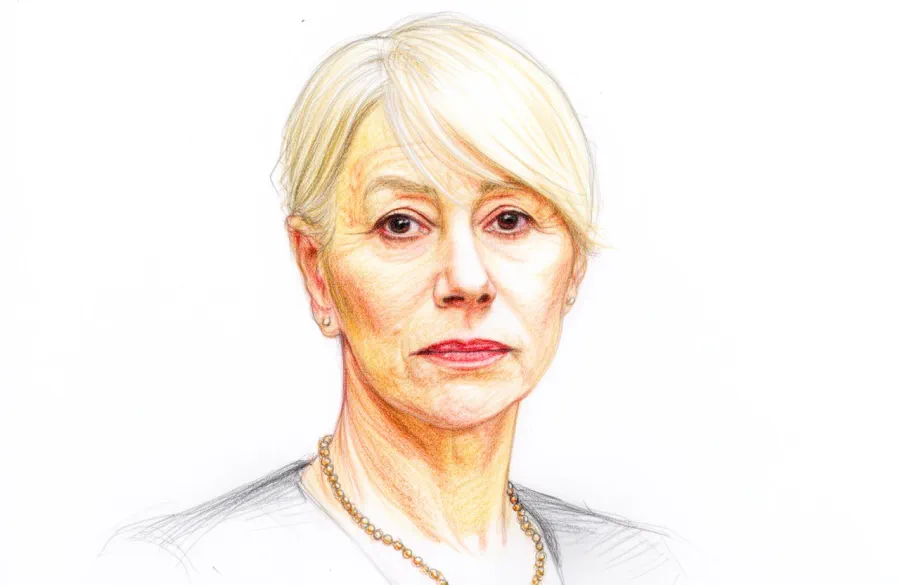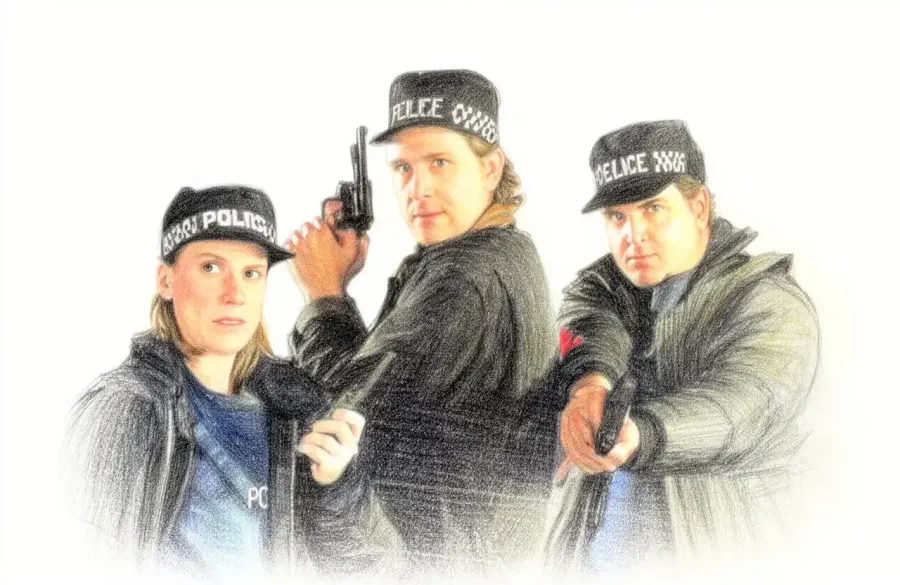
Principal Characters & Performances
Dr Edward "Fitz" Fitzgerald
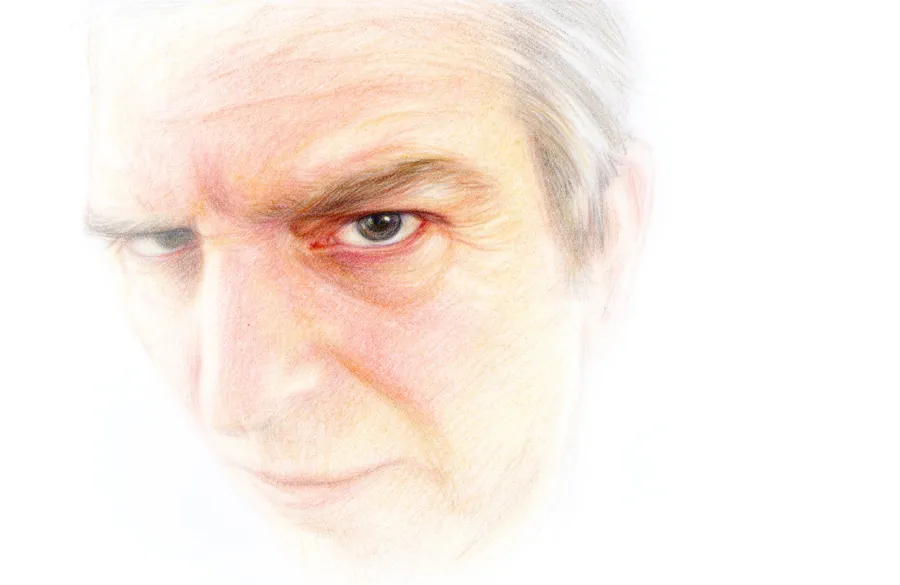
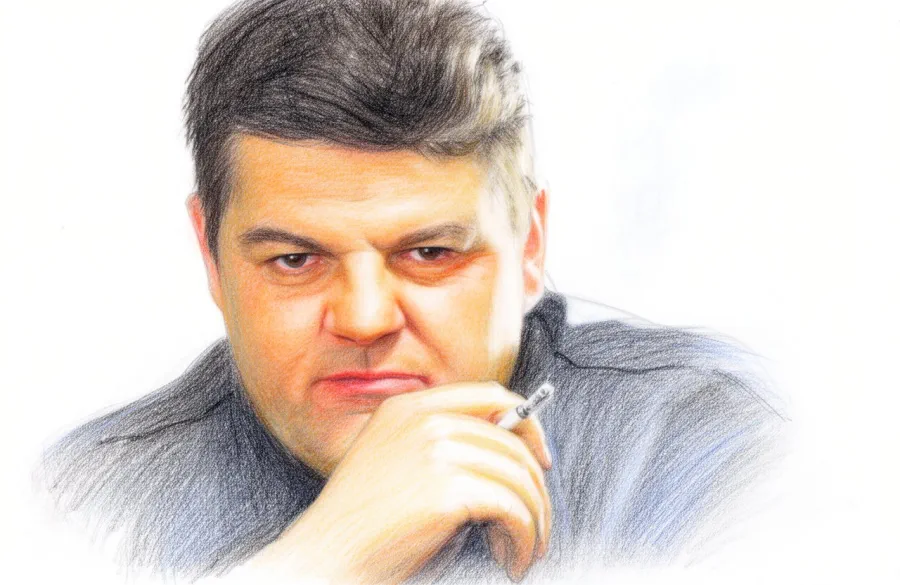
Robbie Coltrane’s performance as Fitz is the gravitational centre of Cracker. He is a criminal psychologist of rare, abrasive genius, hired by the Greater Manchester Police to get inside the heads of killers and rapists. Coltrane creates a man who is brilliant, insightful, and profoundly self-destructive.
Fitz is a chain-smoking, gambling, alcoholic academic whose personal life is a shambles. His relationship with his wife Judith is a battleground of betrayal and weary affection. Yet, in the interview room, this mess becomes his weapon. He uses his own flaws to empathise with and provoke suspects.
Coltrane masterfully balances Fitz’s cruel intellect with a deep, often inconvenient, humanity. He can be brutally manipulative to secure a confession, yet visibly wounded by the suffering he uncovers. This complexity made Fitz more than a detective; he was a mirror held up to the darkest parts of human nature, and Coltrane’s BAFTA-winning portrayal remains one of British television’s defining roles.
Detective Sergeant Jane "Panhandle" Penhaligon
Geraldine Somerville’s DS Jane Penhaligon represents the moral and professional backbone often missing in Fitz’s chaotic world. As a dedicated and sharp officer, she is frequently his partner in interrogations, providing the procedural grounding for his psychological flights. Her nickname, "Panhandle," hints at a toughness and resilience.
Somerville brings a steely compassion to the role. Penhaligon’s journey is one of the series’ most harrowing, particularly in the serial "Men Should Weep," where she becomes a victim of the very violence she investigates. Somerville’s portrayal of the aftermath—the trauma, the institutional indifference, the struggle to reclaim her identity and authority—is devastatingly authentic.
Her complex, will-they-won’t-they dynamic with the volatile DS Jimmy Beck adds another layer of tension. Penhaligon is the show’s conscience, and Somerville ensures she is never just a foil for Fitz, but a fully realised character navigating a brutal professional landscape.
Notable Support and Guest Stars
The police team around Fitz is a tapestry of flawed individuals. Lorcan Cranitch is unforgettable as DS Jimmy Beck, a hot-headed, bigoted, yet fiercely loyal officer whose relationship with Penhaligon and clashes with Fitz drive much of the internal drama. Ricky Tomlinson brings weary authority as DCI Charlie Wise, often serving as the exasperated manager trying to harness Fitz’s genius.
At home, Barbara Flynn delivers a nuanced performance as Judith Fitzgerald, embodying the intelligent wife worn down by her husband’s betrayals yet bound to him by a complicated love. The guest casts read like a who’s who of British acting talent, delivering career-defining villainous roles.
Robert Carlyle’s terrifying and pitiable Albie Kinsella in "To Be a Somebody" is a landmark. Christopher Eccleston, John Simm, and James Fleet all appear in pivotal stories, each bringing a profound psychological realism to their characters. These performances, under the direction of talents like Tim Fywell, ensured every case felt like a collision of world-class actors, not just a plot to be solved.
The World of Cracker
Cracker is rooted in Manchester. This isn't a generic backdrop; the city's rain-slicked streets, bustling pubs, and stark urban landscapes are woven into the show's DNA. Fitz lives in the suburban south Manchester of Didsbury, but his work takes him into the city's gritty heart.
The police operations are based in a realistically grubby incident room, filmed in the former Daily Mirror offices. Locations like St Peter's Square, the Arndale Centre, and Old Trafford ground the drama in a recognisable, working-world environment. This Manchester is not picturesque; it's lived-in and authentic, a character in itself that reflects the series' tough, unvarnished tone.
The setting provides a social texture crucial to stories like "To Be a Somebody." The economic anxieties, the community tensions, the specific cultural references—all are distinctly Northern English. This geographical and social specificity gave Cracker a raw authenticity that universalised its themes of crime, punishment, and human frailty.
Origin Story
Cracker was created by screenwriter Jimmy McGovern for Granada Television, ITV's powerhouse based in Manchester. It first aired on 27 September 1993. McGovern, alongside producers like Sally Head and later Hilary Bevan Jones, conceived a crime drama that prioritised psychological depth over procedure.
The series was part of Granada's slate of landmark 1990s dramas. McGovern wrote the bulk of the early episodes, with significant contributions later from producer-turned-writer Paul Abbott. Directors like Tim Fywell helmed key serials. From the start, the mandate was clear: to create an adult, challenging, and dialogue-driven series that explored the "why" behind the crime, with the complex figure of Fitz, brought to life by Robbie Coltrane, as its conduit.
Narrative Style & Tone
Cracker operates as a series of serials, typically two or three episodes per case. Its signature is the "why-dunnit." Often, the audience sees the criminal early, shifting tension from discovery to the psychological pursuit. The climax is frequently the interrogation, a verbal boxing match where Fitz dismantles a suspect's defences.
The tone is unflinchingly dark, dealing with murder, rape, racism, and addiction. Yet, it's leavened by Fitz's gallows humour and the messy, relatable failures of its characters. It’s a dialogue-heavy, character-driven drama where the crime is a window into societal and personal sickness. The style is realistic, gritty, and morally ambiguous, demanding engagement with uncomfortable truths rather than offering neat solutions.
How is Cracker remembered?
Cracker is remembered as a benchmark of British television drama. It redefined the crime genre in the 1990s, moving it into deeper psychological and social territory. Its legacy is anchored in Robbie Coltrane's iconic performance, which earned him three consecutive BAFTA awards, and the show's own two BAFTAs for Best Drama Series.
Critics and fans regard it as one of ITV's finest achievements, a series that tackled controversial subjects with rare intelligence and courage. Seminal serials like "To Be a Somebody" are regularly included in lists of the greatest TV dramas. Its influence is seen in the character-driven, morally complex crime series that followed.
Despite an unsuccessful American adaptation, the original's power endures through repeats and streaming. It is studied for its writing and social commentary, but primarily it is remembered as compelling, adult storytelling that trusted its audience with complexity and darkness, setting a standard that still resonates.
In Closing
Cracker remains a towering achievement. It combines searing social commentary, profound psychological insight, and masterful performances within the framework of a gripping crime drama. To watch it is to engage with television operating at its most powerful and ambitious.