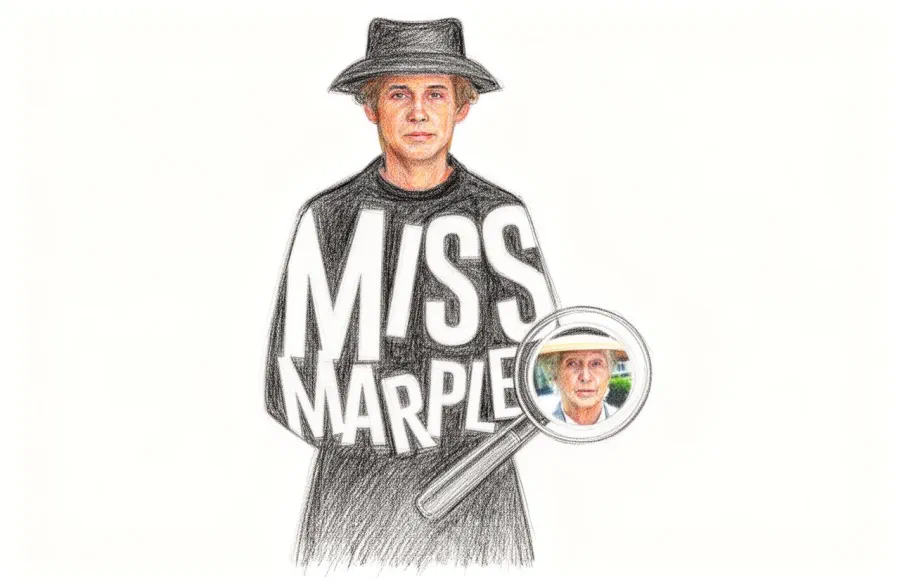
Principal Characters & Performances
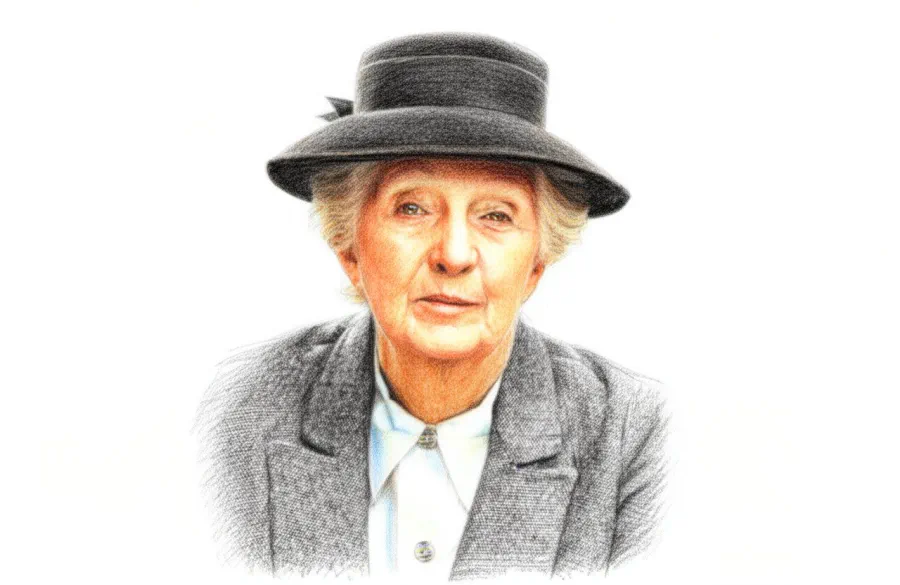
Miss Jane Marple
Joan Hickson's portrayal of Miss Jane Marple is the definitive screen interpretation of Agatha Christie's detective. Her performance is a masterclass in quiet observation. Hickson never plays Marple as a caricature of a busybody. Instead, she embodies a sharp, patient intelligence, her eyes missing nothing from behind her knitting.
She moves through the world with a deceptive frailty, using it to her advantage as suspects underestimate her. Her voice is measured, her deductions delivered with a gentle but unshakeable certainty. Hickson captures the character's core belief that human nature is consistent, whether in St Mary Mead or on a Caribbean island.
This profound understanding of the role earned Hickson two BAFTA nominations. Her performance is the anchor of the entire series, a performance so complete it feels less like acting and more like an act of channeling. Christie herself had once noted Hickson as her ideal Miss Marple, a prophecy fulfilled with absolute authority.
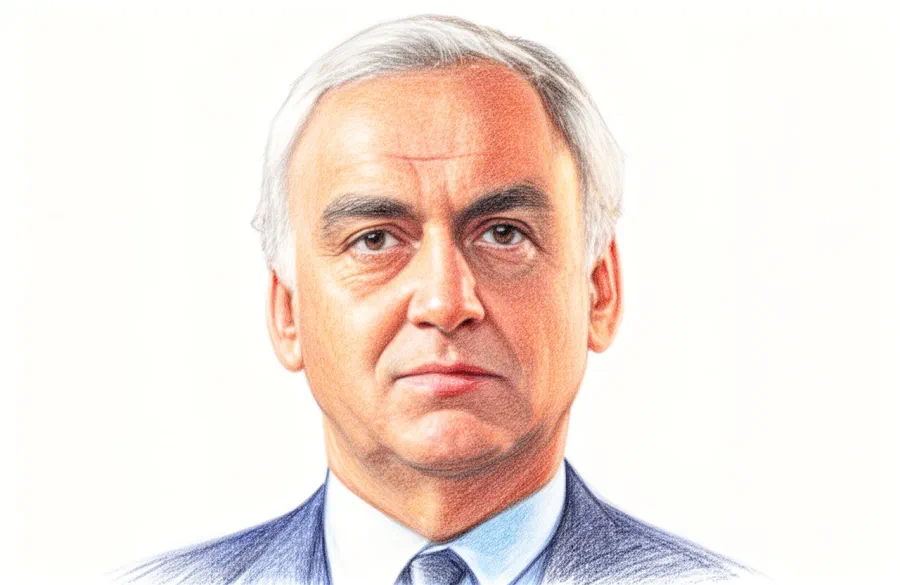
Detective Inspector Slack
David Horovitch's recurring role as Detective Inspector Slack provides the perfect professional foil to Miss Marple's amateur sleuthing. Slack is the embodiment of official police procedure, initially dismissive of the elderly spinster's insights from her village window.
Horovitch skillfully charts Slack's gradual, grudging respect for Marple's methods. His frustration is palpable, yet it never tips into buffoonery. He is a competent officer hindered by his own preconceptions.
The dynamic between the prickly inspector and the unflappable Miss Marple creates a compelling tension. It is a relationship built on professional necessity rather than warmth, and Horovitch's performance ensures Slack retains his dignity even as he is consistently outmaneuvered by a superior intellect.
Notable Support and Guest Stars
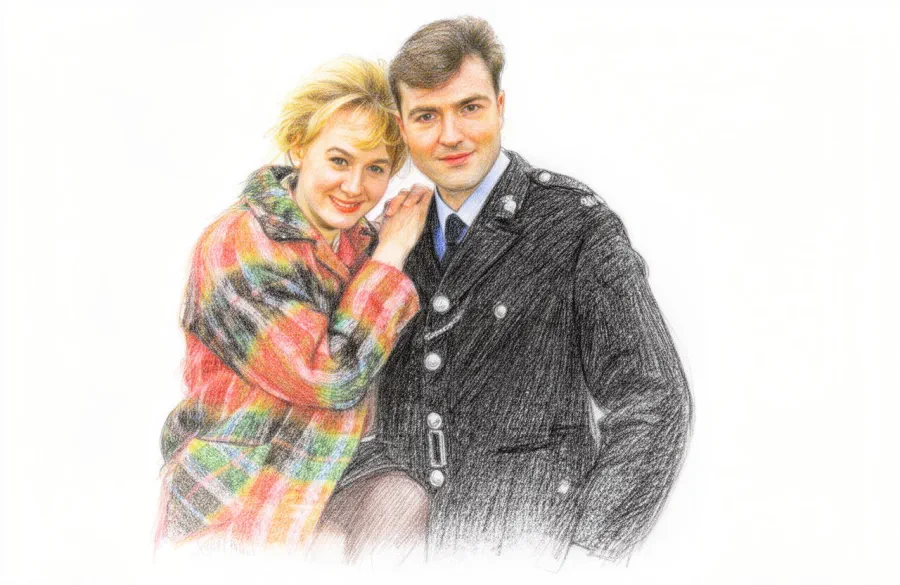
The series boasted a remarkable roster of British acting talent, each elevating their episodes. Gwen Watford brought warmth and fluster as Dolly Bantry in "The Body in the Library," establishing the village socialite who knows when to call for help.
In "A Murder Is Announced," Ursula Howells delivered a complex, steely performance as Letitia Blacklock, while Joan Sims was heartbreakingly vulnerable as the nervous Dora Bunner. Donald Pleasence brought a wonderful, cantankerous energy to the wealthy Jason Rafiel in "A Caribbean Mystery."
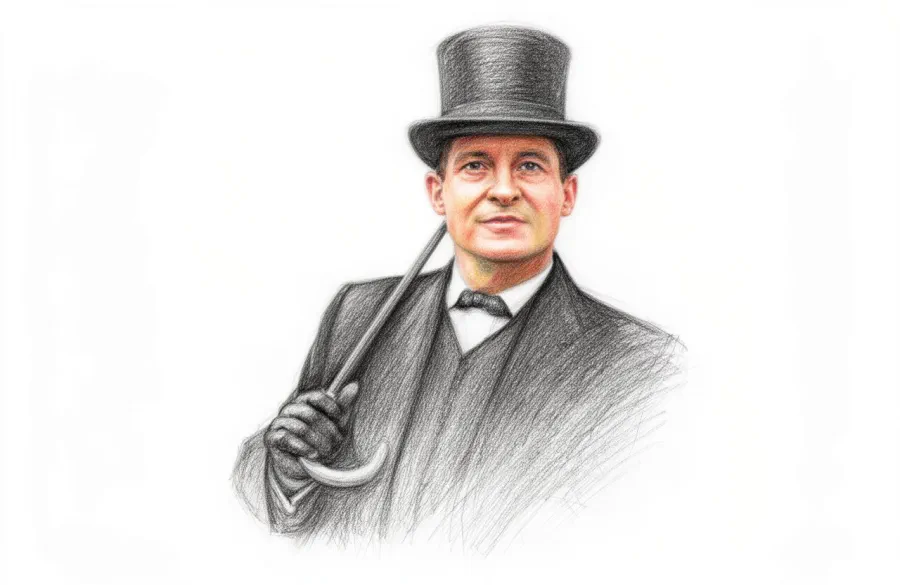
These guest stars never treated the material as mere potboiler fare. They inhabited their roles with full conviction, creating the rich social tapestry against which Miss Marple's investigations unfold. From George Baker's charming rogue in "At Bertram's Hotel" to the ensemble of "The Murder at the Vicarage," the casting was consistently impeccable, making each story feel like a meticulously staged play.
The World of Miss Marple
The series crafts a meticulously detailed vision of mid-20th century England, primarily in its rural heart. St Mary Mead, brought to life by the real Hampshire village of Nether Wallop, is the quintessential English village. It's a world of cottage gardens, vicarages, village halls, and quiet lanes where everyone knows everyone else's business.
This setting is not just a backdrop but a vital character. The social hierarchies, the gossip exchanged over tea, and the strict codes of conduct provide both the motive for crime and the means for its detection. The production extends this world to grand country houses, period railway carriages, and even a Caribbean hotel, but the moral landscape remains consistent.
It is a slightly idealised, timeless space, evoked through impeccable costume and set design, that serves as the perfect laboratory for Miss Marple's studies in human nature.
Origin Story
The BBC's "Miss Marple" series was developed as a direct adaptation of all twelve of Agatha Christie's Miss Marple novels. Producer Guy Slater cast Joan Hickson in the title role, with filming beginning in 1983. The first story aired on BBC One in December 1984.
Produced in association with American and Australian networks, it was a concerted effort to bring faithful, feature-length versions of the novels to screen. Scripts were handled by writers like T.R. Bowen and Jill Hyem, with location filming across England. The village of Nether Wallop became the permanent stand-in for St Mary Mead, grounding the stories in a real and recognizable place from the very start.
Narrative Style & Tone
The series is the purest televisual form of the classic whodunit. Its style is restrained and atmospheric, prioritizing dialogue, character observation, and the slow reveal of clues over action or graphic suspense. Each story is a self-contained television film, allowing the narrative the room to breathe and develop at a novel's pace.
The tone is one of intelligent calm. The cinematography captures the beauty and order of the English countryside, while the music underscores tension without dominating it. Violence happens off-screen; the focus is squarely on the aftermath, the lies, and the deductions. It is a show that trusts the audience to follow the evidence, guided by the unflappable logic of its central detective.
How is Miss Marple remembered?
The series is remembered as the definitive adaptation of Christie's beloved detective, a benchmark against which all others are measured. Joan Hickson's performance is universally acclaimed as unsurpassed. Critics and fans alike praise its remarkable fidelity to the source novels, its high production values, and its impeccable casting.
It gained a lasting international audience through broadcasts on PBS Mystery in the United States. Television scholars often cite it as a prime example of "heritage" drama, presenting an idealised yet compelling vision of the past. Decades after its final episode in 1992, the series enjoys sustained interest through rebroadcasts and home media, a testament to its timeless quality and the enduring appeal of a mystery perfectly told.
In Closing
For fans of character-driven mystery and masterful acting, the BBC's Miss Marple series remains an essential, rewarding, and endlessly rewatchable collection. It is a quiet classic that has lost none of its power.