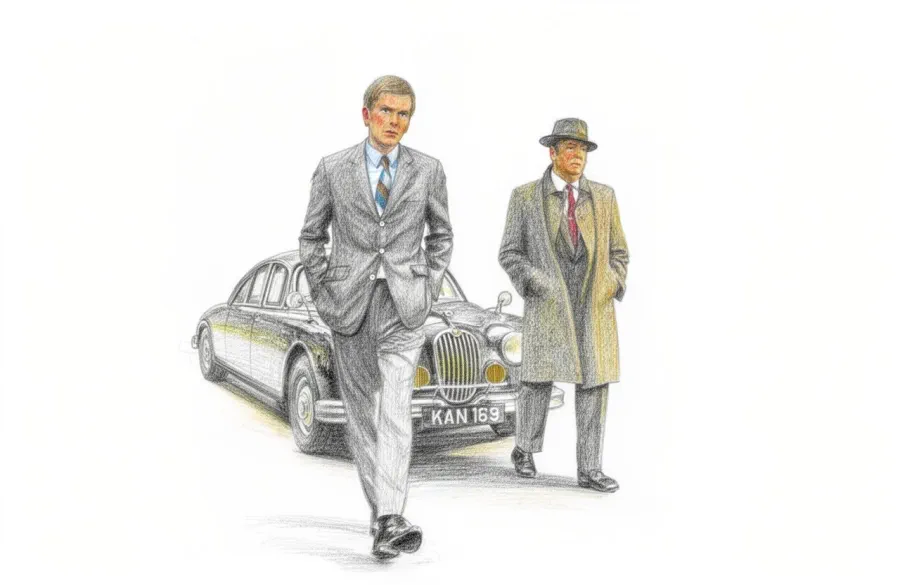
Principal Characters & Performances
Endeavour Morse
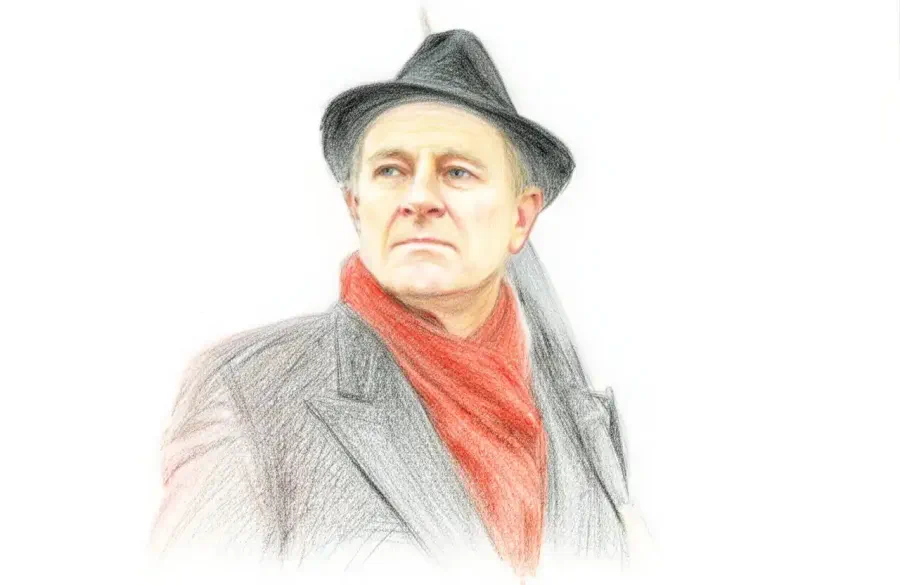
Shaun Evans carries the considerable weight of the role with a performance that is both a revelation and a respectful echo. His Morse is not the curmudgeonly, ale-loving inspector of the 1980s, but the young man who will become him.
We meet him in 1965 as a detective constable, an Oxford dropout whose intellectual brilliance is matched only by his social awkwardness and a deep-seated, almost painful sense of justice. Evans portrays a man of profound sensitivity, often wounded by the world's corruption and his own romantic missteps.
His journey across nine series is one of gradual hardening. We see the origins of his love for opera, his classic Jaguar, and his solitary pints. Evans masterfully charts the accumulation of professional disillusionment and personal loss that forges the isolated genius familiar from the original series, making the character's evolution the show's true spine.
Detective Inspector Fred Thursday
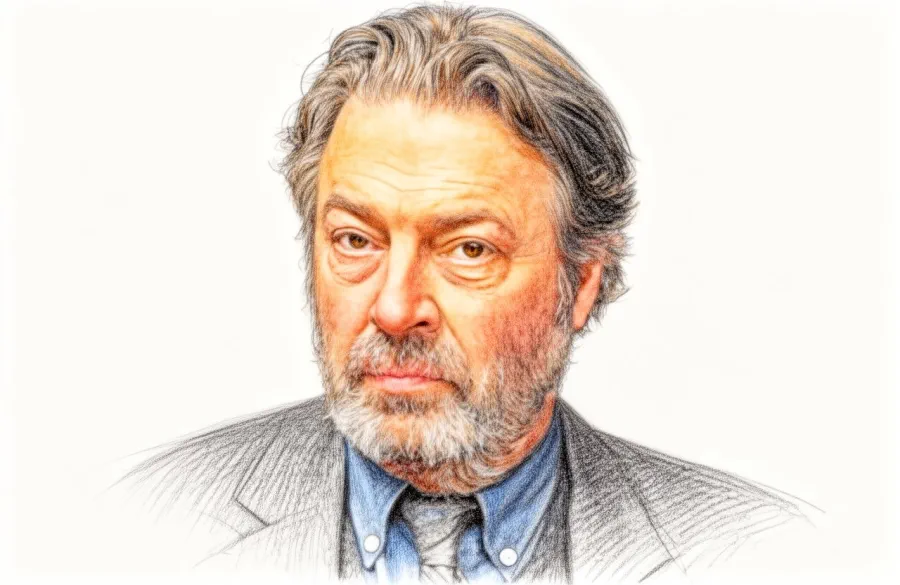
Roger Allam’s Fred Thursday is the bedrock of the series and the most significant relationship in Morse’s professional life. A veteran of the Second World War and a dedicated family man, Thursday represents a certain kind of honourable, pragmatic policing.
He immediately recognises Morse’s unique mind and takes him under his wing as his "bagman," acting as both mentor and protector. Allam brings immense warmth, weary wisdom, and a formidable physical presence to the role.
The dynamic between the intuitive, by-the-book Thursday and the cerebral, rule-bending Morse creates the show's essential chemistry. Thursday’s steadfast decency provides the moral centre, and his paternal bond with Morse gives the procedural plots their emotional heart, making his fate a central concern for the entire run.
Notable Support and Guest Stars
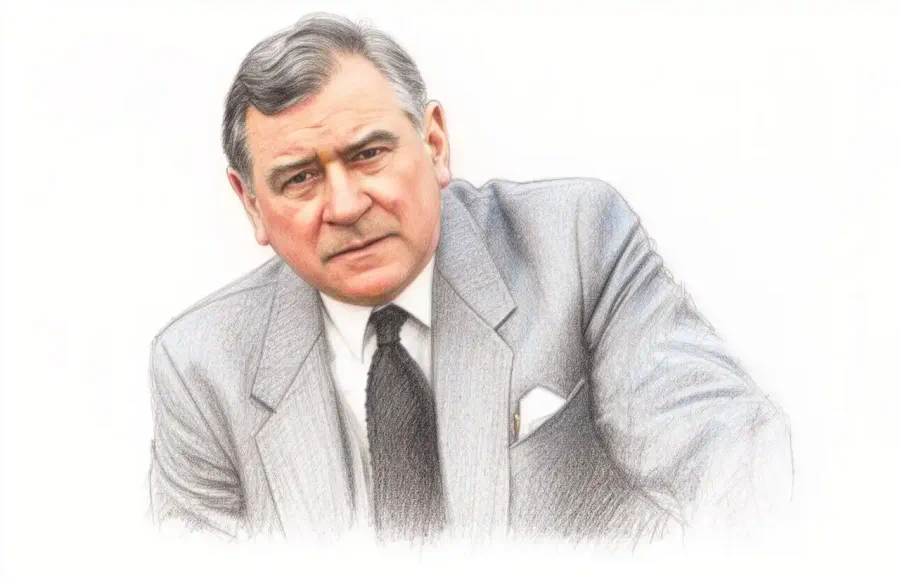
The ensemble around Morse and Thursday provides a rich tapestry of Oxford life. Anton Lesser is superb as Chief Superintendent Reginald Bright, a man perpetually navigating the political pressures from above while managing his brilliant but troublesome detective.
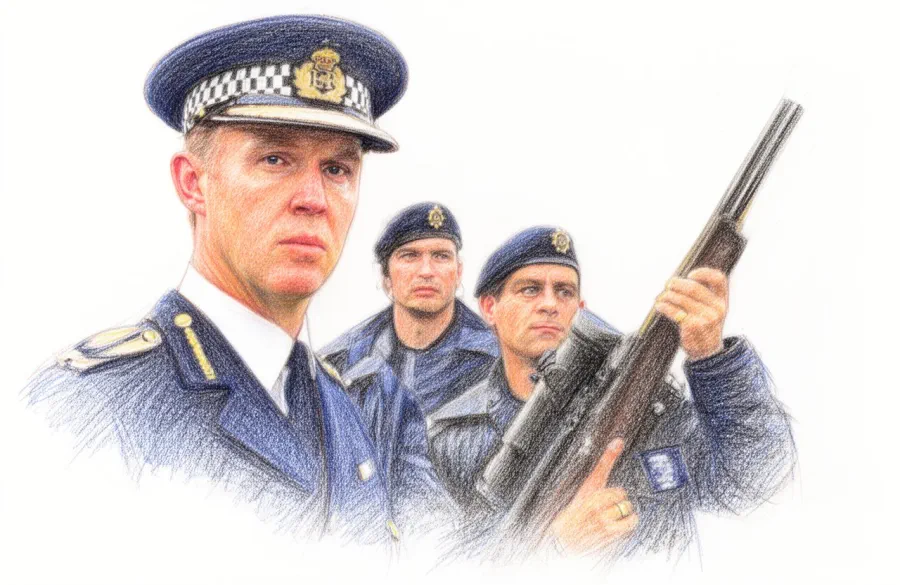
Sean Rigby grows convincingly from PC Jim Strange to Detective Sergeant, a friendly but sometimes wary colleague to Morse. James Bradshaw’s dry, meticulous pathologist Dr. Max DeBryn offers crucial scientific support and macabre wit.
Abigail Thaw, daughter of the original Morse star John Thaw, provides a poignant link to the past as newspaper editor Dorothea Frazil. The Thursday family, with Caroline O’Neill as Win and Sara Vickers as Joan, grounds the series in domestic reality, with Joan representing a persistent "what if" in Morse’s personal life. Guest stars across the series, from established actors to rising talent, consistently elevate the self-contained mysteries.
The World of Endeavour
Endeavour is rooted in the Oxford of the 1960s and early 1970s, a character in itself. The show meticulously recreates the period, not just in cars and costumes, but in its social atmosphere. The divide between the privileged, ancient university world and the working-class "town" is a constant source of tension and crime.
Early episodes are based at the cramped, familiar Cowley Police Station, a home for the close-knit team. From the sixth series onward, the formation of the Thames Valley Police moves the action to Castle Gate, reflecting a loss of local identity. The changing backdrop of late-sixties counterculture, political shifts, and institutional reform is never just set dressing; it directly influences the crimes and challenges the traditional views of characters like Thursday, making the era integral to the narrative.
Origin Story
Endeavour was devised by screenwriter Russell Lewis as a prequel to the iconic Inspector Morse series, which was based on Colin Dexter's novels. The project began as a single 89-minute pilot film for ITV, broadcast on 2 January 2012.
Produced by Mammoth Screen in association with PBS Masterpiece, the pilot starred Shaun Evans and Roger Allam. Its strong reception, with over eight million viewers, led ITV to commission a full series. Executive producers, including Michele Buck and Damien Timmer for Mammoth Screen and Rebecca Eaton for Masterpiece, shepherded the show across its nine-series run, which concluded in March 2023 after 36 episodes.
Narrative Style & Tone
The series operates as a period detective procedural, with each feature-length episode presenting a self-contained mystery. The tone is fundamentally character-driven, using the cases to explore the moral and emotional development of Endeavour Morse.
It combines the intellectual puzzle of classic whodunnits with a deeper, often melancholic drama about integrity and disillusionment. The visual style is rich with period detail, and the soundtrack, featuring scores by Barrington Pheloung and later Matthew Slater, is interwoven with the classical music and opera that define Morse’s inner world. The plotting is sophisticated, often drawing on Morse’s academic knowledge and reflecting the social issues of the time.
How is Endeavour remembered?
Endeavour is remembered as a rare prequel that enriched rather than diminished its source material. It successfully built a compelling, decades-spanning character arc for Morse, with Shaun Evans’ performance earning widespread acclaim for its depth and intelligence. The chemistry between Evans and Roger Allam is cited as the show's cornerstone.
It maintained strong popularity over its eleven-year run, praised for its atmospheric production, sophisticated storytelling, and authentic sense of place. For fans, it provided a profound understanding of how the cheerful, idealistic young constable of 1965 became the lonely, brilliant inspector of the 1980s. The series is regarded as a dignified and essential chapter in the broader Morse television canon.
In Closing
Endeavour stands as a masterful exercise in character exploration, a detective series that solved the greatest mystery of all: the making of a legend.