Principal Characters & Performances
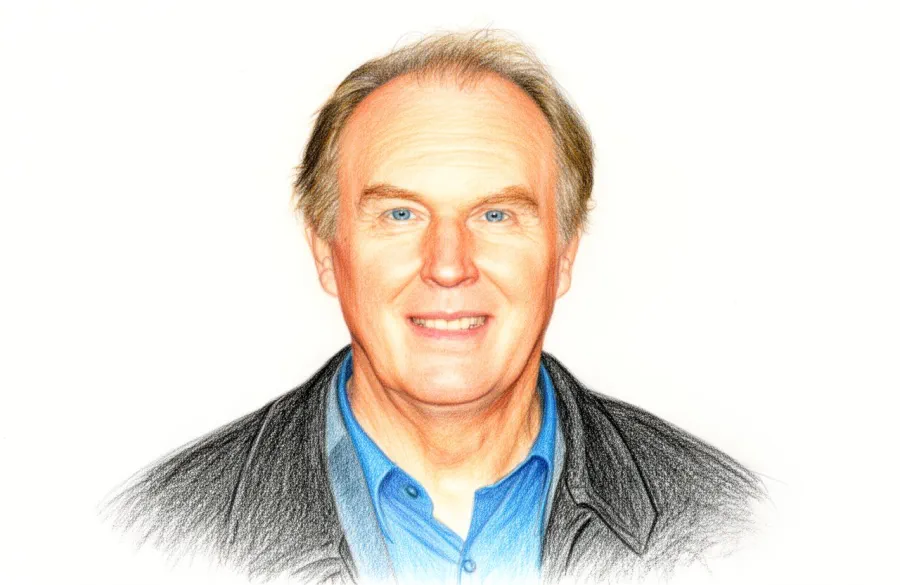
Chief Constable John Stafford (Tim Pigott-Smith)
Tim Pigott-Smith anchored the first two series as Chief Constable John Stafford, establishing the show's core dynamic. His portrayal was of a thoughtful, sometimes beleaguered leader navigating the minefield of modern policing.
Stafford is a man deeply committed to the principles of policing by consent, often finding himself at odds with political demands for tougher, more populist measures. Pigott-Smith brought a quiet intensity and intellectual weight to the role.
His performance defined the early tone, showing the personal cost of high command through his strained home life with wife Elizabeth, played by Judy Loe. Stafford's tenure was marked by philosophical battles, setting the stage for the political wars to come.
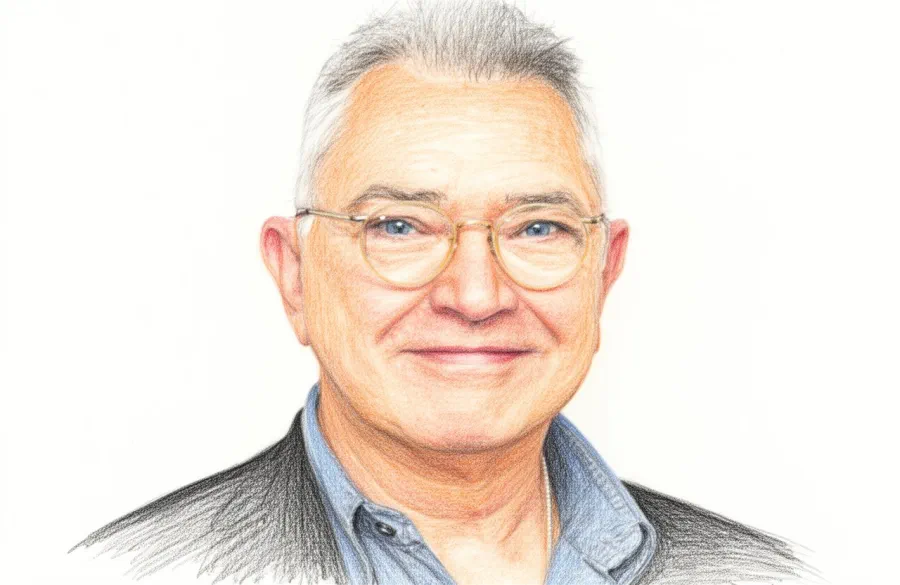
Chief Constable Alan Cade (Martin Shaw)
Martin Shaw took command from the third series onward as Alan Cade, a character who shifted the show's energy. Where Stafford was a contemplative strategist, Cade was a more direct, action-oriented leader, though no less politically savvy.
Shaw brought his trademark rugged charisma and moral certainty to the role, often clashing head-on with the Home Office. Cade's leadership style created new internal tensions and alliances within the Eastland Constabulary headquarters.
His arrival refreshed the series, maintaining its focus on top-tier politics but through a different, more combative personality. Shaw's performance ensured a seamless transition, keeping the institutional drama compelling for the long haul.
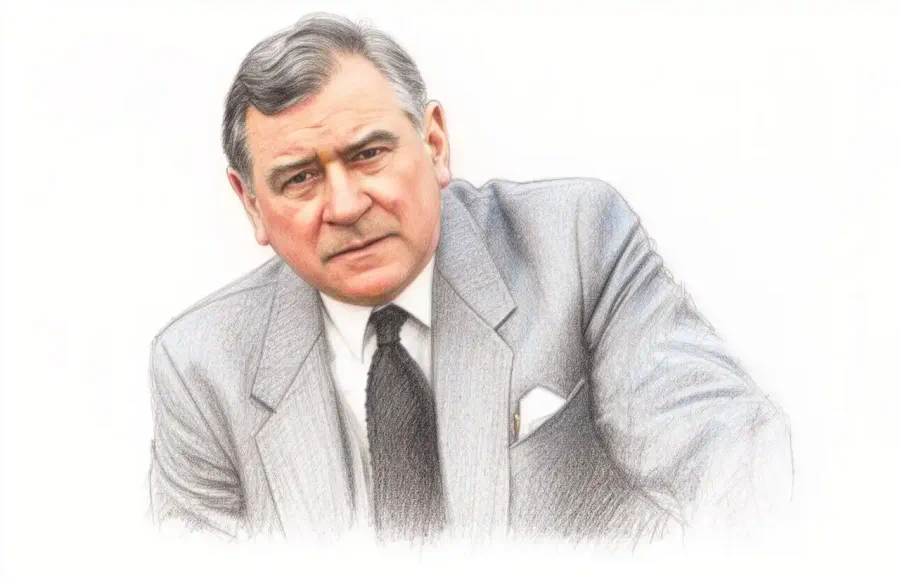
Anne Stewart (Karen Archer) & Jim Gray (Eamon Boland)
Karen Archer provided crucial continuity and steel as senior officer Anne Stewart. Her character evolved across the series, representing a capable, principled voice within the senior command team, often acting as a crucial sounding board or challenger to both chiefs.
Eamon Boland's Detective Chief Superintendent Jim Gray served as the vital link between the chief's office and the operational detectives. He was the pragmatic, sometimes cynical foil, grounding high-level policy debates in the reality of crime fighting.
Their roles were essential in fleshing out the command structure, making the Eastland HQ feel like a real workplace with its own hierarchies and loyalties.
The Supporting Ensemble
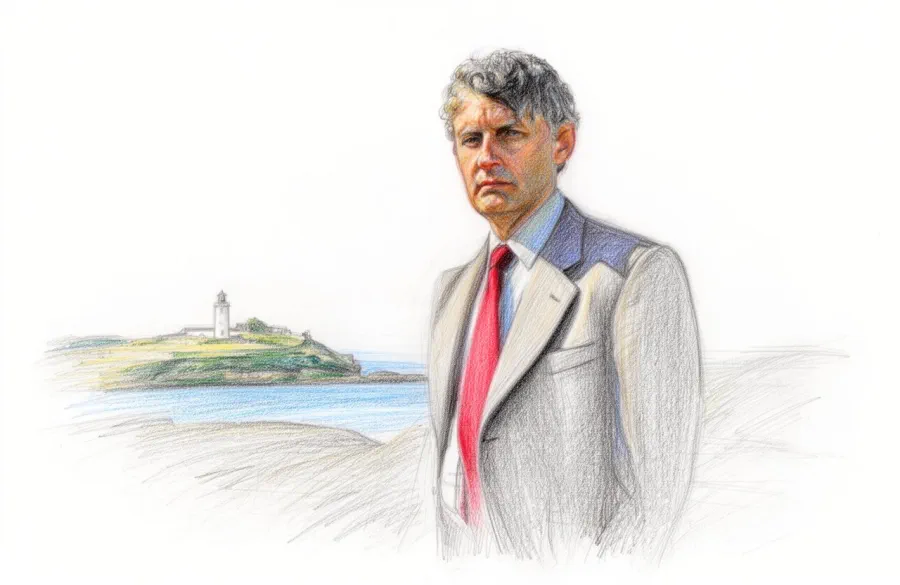
The world of Eastland Constabulary was populated by a strong ensemble. Stuart McGugan's Sean McCloud showed a compelling career trajectory, rising from detective to senior rank. Gillian Bevan joined later as Detective Superintendent Rose Penfold, adding further depth to the investigative wing.
On the political flank, Michael Cochrane was a constant source of pressure as local politician Nigel Crimmond. Tony Caunter and later Bosco Hogan, as Deputy Chief Constables Arthur Quine and Wes Morton, personified internal ambition and challenge.
This collective of credited performers, including Judy Loe as Elizabeth Stafford, created a believable ecosystem of professional and personal relationships around the central figure, making the drama about an institution, not just an individual.
The World of The Chief
The action is centred on the headquarters of the fictional Eastland Constabulary, a large regional force covering the whole of Eastland, a region based in East Anglia. This setting is everything. We are not in a gritty incident room or on the street; we are in the chief's office, the formal meeting room, the operations suite.
This world is one of strategic maps, budget reports, and press conference statements. The force's wide geographic remit, covering both rural and urban areas, means storylines can span from organised crime in the ports to protests in the countryside, all filtered through the command centre.
External pressure is constant, emanating from two key locations: the local government offices and, more ominously, the distant Home Office in London. This creates a claustrophobic yet expansive feel, where decisions made in a quiet office in East Anglia are scrutinised by Whitehall mandarins.
Origin Story
The Chief was created by Jeffrey Caine and produced by Anglia Television for the ITV network. Its first episode aired on 20 April 1990. The series was conceived as a police drama with a distinct difference, focusing exclusively on the strategic and political challenges faced by the top officer in a force.
Executive producers Brenda Reid and Chris Pye oversaw its development, aiming for a serious dramatic tone reflective of contemporary policing issues. To ground the drama in realism, the production consulted advisers like former chief constable John Alderson.
This focus on command-level realism, combined with the casting of respected actors like Tim Pigott-Smith, set it apart from the detective-led procedurals that dominated the genre at the time.
Narrative Style & Tone
The Chief is a police procedural, but one where the procedure is management, politics, and public accountability. Plots revolve around policy decisions, resource allocation, and institutional scandals rather than solving a single murder. The narrative tone is consistently serious and dramatic.
Key scenes often play out in formal meetings, press conferences, or private one-on-ones in offices. The drama comes from clashes of ideology and personality under intense professional pressure. It uses ongoing character arcs within the command team, interwoven with case-of-the-week elements that serve as strategic problems for the chief to manage.
The style is talk-driven and cerebral, but charged with the high stakes of public safety and political survival. The cinematography by Philip S. Burne and editing by figures like Alan Newton supported this clean, focused, and professional aesthetic.
How is The Chief remembered?
The Chief is recalled as a notable and niche entry in the canon of 1990s British crime drama. It is distinguished by its unwavering focus on the top of the police hierarchy, a perspective rarely explored in such depth on television. Commentary often highlights its attempt to mirror real debates about police governance and political influence during the Major years.
Its legacy is sustained by the strong performances of its two leads, Tim Pigott-Smith and Martin Shaw, which attract fans of their wider work. For enthusiasts of police dramas, it is cited as a sophisticated alternative to more action-oriented series, prized for its exploration of internal power struggles and bureaucratic battles.
The DVD releases of all five series in the 2010s confirmed its enduring appeal to a dedicated audience. It stands as a thoughtful, politically engaged series that swapped car chases for committee rooms, and did so with compelling authority.
In Closing
For those seeking a crime drama of intellect and institution, where the real mystery is the exercise of power itself, The Chief remains a uniquely commanding piece of television.