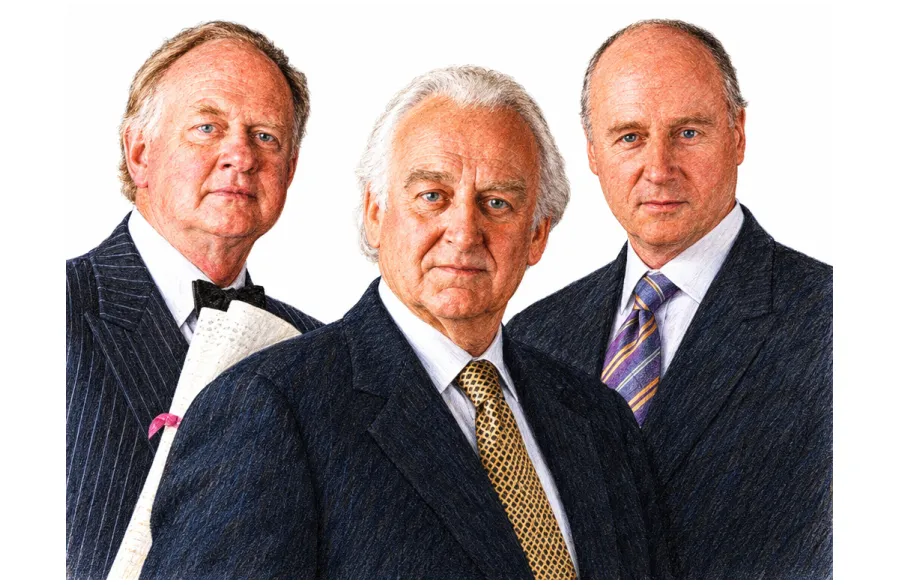
Principal Characters & Performances
James Kavanagh QC
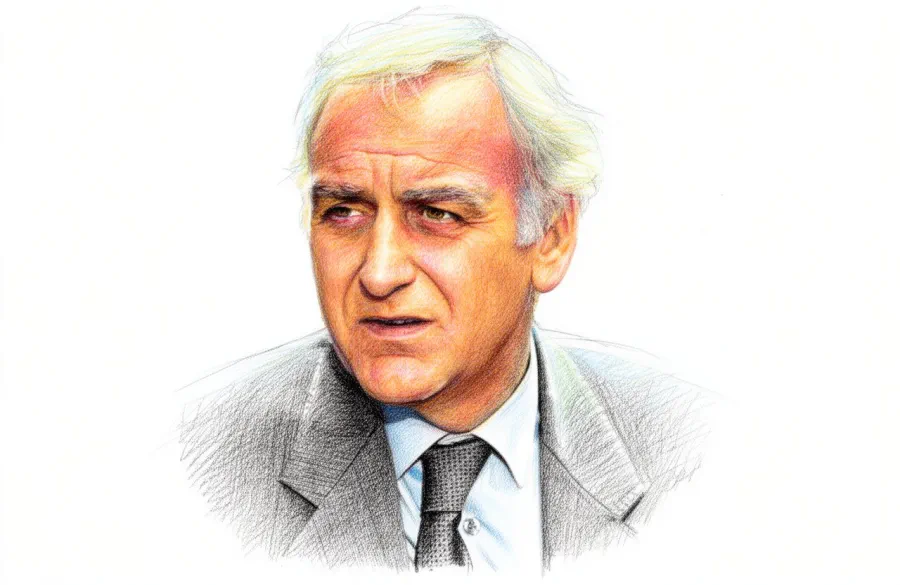
James Kavanagh is one of the leading criminal barristers in London, a working-class boy from Bolton who has risen to silk. He will not be bullied or bribed, he usually defends, occasionally prosecutes, and his cases tend to turn on prejudice of one kind or another.
John Thaw played him while still making occasional Inspector Morse films, and the contrast is the point. Where Morse was solitary, Kavanagh is outgoing, married and a father, and Classic Film and TV Café calls the performance an eye-opener for anyone who knows Thaw only as the Oxford detective.
In The Spectator in 1995 Nigella Lawson reported a friend’s complaint that Thaw could not act, and doubted it: he does not go in for acting with a capital A, she wrote, and he lends himself well to the role.
Chambers and Family
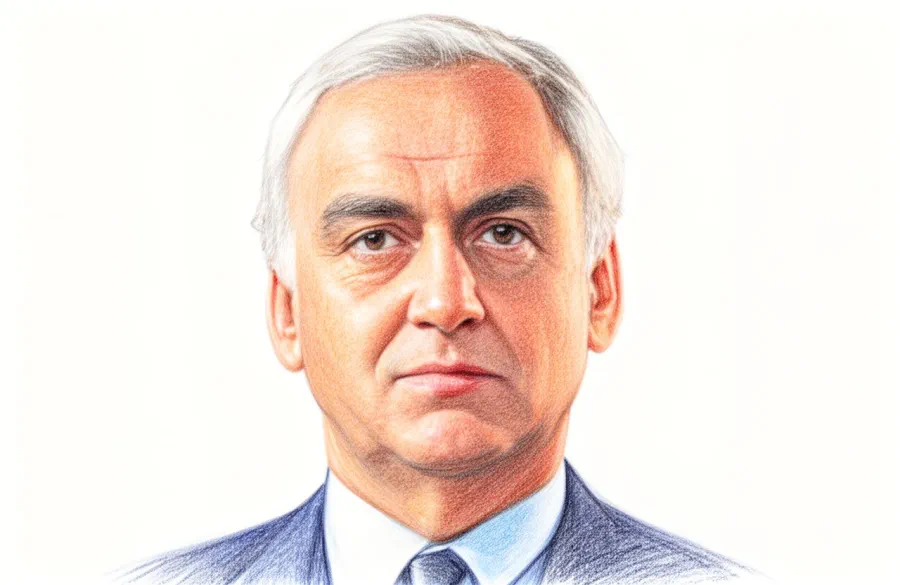
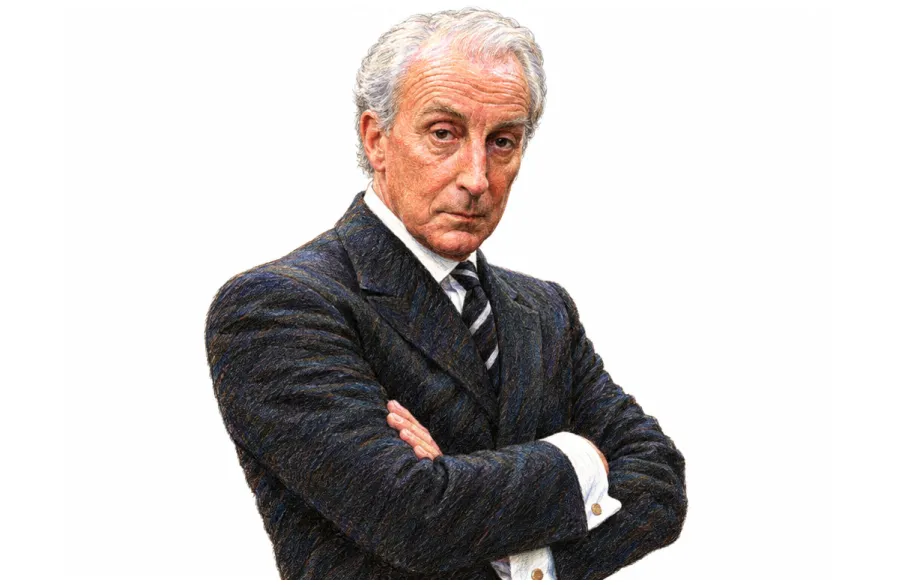
Oliver Ford Davies’s Peter Foxcott and Nicholas Jones’s Jeremy Aldermarten are Kavanagh’s colleagues in chambers, Aldermarten’s pomposity supplying much of the comedy, with Geraldine James as Eleanor Harker QC and Cliff Parisi as Tom Buckley. Anna Chancellor plays Julia Piper, a junior barrister in chambers, in the first three series; Lawson found her charm a good foil to Thaw’s gruffness.
At home there are Lisa Harrow as his wife, Lizzie, and Tom Brodie and Daisy Bates as their children. The first three series give the family a good deal of time, and Lizzie’s death changes the shape of the later ones.
Notable Support and Guest Stars
A young Ewan McGregor is the accused in the first film, opposite Alison Steadman, and Phoebe Nicholls, in Lawson’s view, is staggeringly good in it. Later guests include Penelope Wilton as a government minister in “Time of Need”, Hugh Dancy in “The More Loving One”, Haydn Gwynne in “Care in the Community”, and Kenneth Cranham and Julian Fellowes in “Dead Reckoning”.
The World of Kavanagh QC
The world is the criminal bar: chambers, robing rooms and courts, with the occasional court-martial and a trip to Florida. Kavanagh is an advocate rather than a detective, and the series, as Lawson put it, places him in the line of Crown Court rather than the police procedural.
The cases are drawn from the issues of the 1990s: rape and consent, a vigilante former policeman, a war crimes trial, a Jehovah’s Witness who refuses her son a blood transfusion, and a minister suing for malicious prosecution. In “Care in the Community” Kavanagh goes home to Bolton to defend a man accused of murder.
Origin Story
Kavanagh QC was created by Susan Rogers and Ted Childs for Central Television, with Childs as executive producer and Chris Kelly as producer. Childs was also the executive producer of Cadfael, and Russell Lewis wrote for both series.
The first four films went out on ITV in January 1995, and a series followed each year until 1999. The writers included Charles Wood, Nigel Kneale, Malcolm Bradbury and Peter Moffat; two films made for the fourth series were held back and shown in the fifth under new titles.
A two-hour special, “The End of Law”, followed in April 2001, in which Kavanagh is offered a seat on the High Court bench. It was Thaw’s last appearance in the role; he died in February 2002.
Narrative Style & Tone
Each film is a single case of about ninety minutes, in which a client who seems certain to be convicted is saved, more often than not, by a late twist. Lawson thought it made a good fist of showing the difference between justice and legality.
Its weaknesses lie outside the courtroom. Classic Film and TV Café singles out “In God We Trust”, a Florida death-row story, as the one truly bad episode, and finds the departures of regular characters abrupt.
How is Kavanagh QC remembered?
As one of ITV’s strongest dramas of the late 1990s. Its fifth series drew between nine and more than ten and a half million viewers, all five series reached DVD, and on IMDb it holds 7.7, with “Time of Need” its best-rated film.
It also made at least one lawyer. Sworn in as Lord Chancellor in 2024, Shabana Mahmood said she had taken great inspiration from Kavanagh QC, the brilliant barrister with working-class roots.
In Closing
A courtroom drama built around a single performance. Kavanagh QC gave John Thaw one of his defining roles, a principled, combative barrister from Bolton, and its best films still argue the gap between the law and justice with real force.