Principal Characters & Performances
Detective Inspector Robert "Robbie" Lewis
Kevin Whately’s return to the role of Robbie Lewis forms the emotional bedrock of the series. Promoted from sergeant to inspector, Lewis is a man defined by quiet grief and steadfast decency. His wife’s death and the loss of his mentor, Inspector Morse, hang over his return to Oxford.
This personal history informs his method: he is empathetic, patient, and grounded, often serving as the moral compass. Whately portrays him with a world-weary warmth, his Geordie accent and pragmatic outlook contrasting sharply with the intellectual pretensions of Oxford.
His journey isn't about flashy breakthroughs but gradual healing, finding purpose again in the job and in new partnerships. The character’s strength lies in his essential humanity, a detective who solves crimes by understanding people, not just puzzles.
Detective Sergeant James Hathaway
Laurence Fox’s James Hathaway is the perfect intellectual foil to Lewis. A Cambridge-educated former seminarian, Hathaway is reserved, intellectually agile, and privately tormented. His background as a trainee priest lends a philosophical, often melancholic, dimension to his detective work.
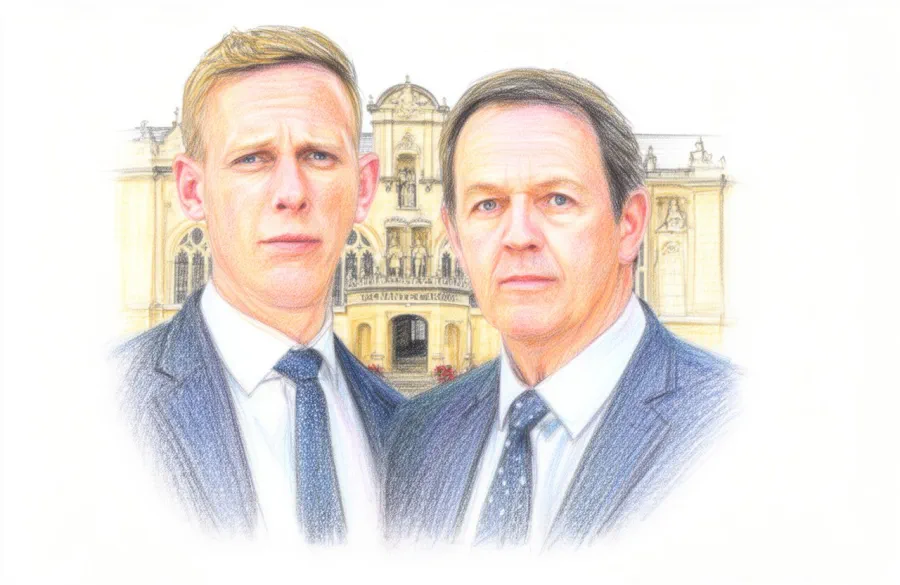
Fox masterfully conveys a deep intelligence masked by a dry, sometimes sardonic, exterior. The partnership’s dynamic is the engine of the show: Lewis’s instinct and experience temper Hathaway’s academic theorising, while Hathaway’s erudition opens doors Lewis might not consider.
Their evolving relationship, from professional caution to deep mutual respect and friendship, provides the series’ most satisfying character arc. Hathaway’s own personal mysteries unfold slowly, making him a compelling figure in his own right.
Notable Support and Guest Stars
The core investigative team is rounded out by two pivotal performances. Clare Holman reprises her role as Dr Laura Hobson, the sharp, compassionate pathologist. Her witty rapport with Lewis provides warmth, and their slow-burning romantic tension becomes a key serialised element across the series.
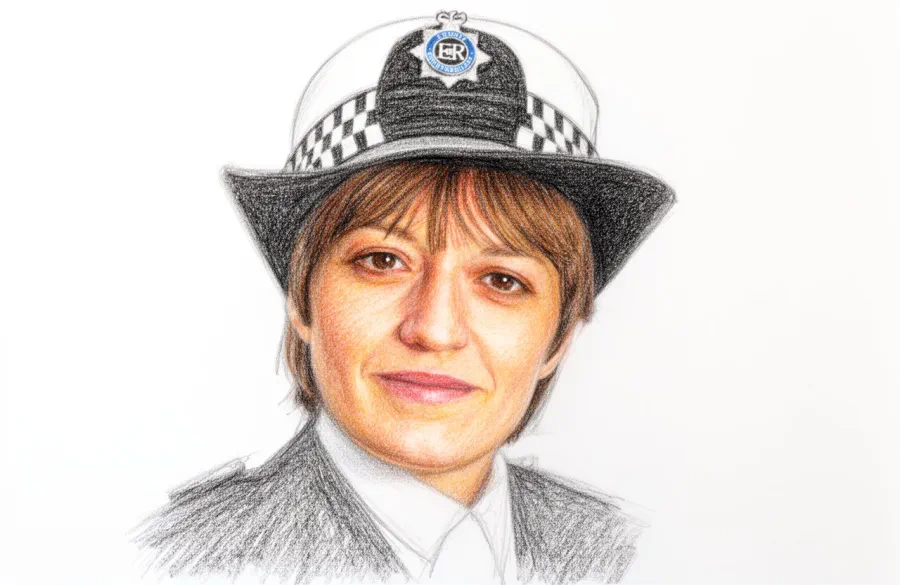
Rebecca Front as Chief Superintendent Jean Innocent is a standout, delivering a performance that is both authoritative and subtly humorous. She manages her brilliant but often unorthodox team with a mix of exasperation and underlying loyalty.
The series also boasted exceptional guest casts, with actors like Andrew Buchan, Tom Mison, James Wilby, and Edward Fox appearing in key episodes. They brought depth to often morally complex characters, elevating the standalone mysteries and reinforcing the show’s high production values.
The World of Lewis
Oxford is not just a backdrop in Lewis; it is a central character. The series immerses you in the city’s unique atmosphere, from the hallowed quads and ancient libraries of its university colleges to the bustling modern streets beyond the stone walls. This environment creates a natural tension between timeless academic pursuit and contemporary crime.
The fictional Thames Valley Police CID operates within this world, with the grandeur of the university often contrasting with the pragmatic, sometimes grubby, reality of police work. Locations like the pathology lab and the police station ground the stories, while the frequent use of real Oxford landmarks provides a tangible sense of place. The show captures Oxford’s duality: a city of beautiful ideas and hidden, sometimes deadly, secrets.
Origin Story
Lewis emerged from the legacy of the beloved Inspector Morse series, based on Colin Dexter's novels. Following John Thaw's death, the character of Sergeant Robbie Lewis, played by Kevin Whately, was given a new life. Developed for television by Chris Burt and Stephen Churchett, with Burt producing, the series was a calculated but respectful expansion.
The pilot, produced by ITV Studios, successfully demonstrated that Lewis could carry his own show. Executive producers like Michele Buck and Damien Timmer oversaw its growth. Colin Dexter himself maintained a link through cameo appearances. It was a continuation that honoured the past while carefully building its own identity, focusing on Lewis’s journey from loyal sidekick to leading investigator.
Narrative Style & Tone
Lewis follows the classic feature-length whodunit format. Each episode is a self-contained murder mystery, rich with intellectual puzzles, literary allusions, and clever red herrings. The storytelling is dialogue-driven, relying on the cerebral back-and-forth between Lewis and Hathaway as they piece together clues and motives.
The tone balances serious, often dark, subject matter with dry humour, usually stemming from the characters' interactions. Barrington Pheloung’s evocative score, a carryover from Morse, provides a connective musical thread. The style is polished and atmospheric, using Oxford’s visual splendour to create a sense of place that is both inviting and subtly ominous.
How is Lewis remembered?
Lewis is remembered as a supremely successful and dignified successor to Inspector Morse. It carved out its own distinct identity over nine series and 33 episodes, concluding in 2015 when Kevin Whately and Laurence Fox chose to step away. The show attracted large, loyal audiences in the UK and internationally, broadcast as Inspector Lewis on PBS Masterpiece in the US.
It is praised for the compelling partnership at its core and for maintaining high standards of complex, character-driven storytelling. The series secured its place within a cherished television franchise, sitting alongside Morse and the prequel Endeavour. Today, through reruns and streaming, it continues to be discovered by fans who appreciate its intelligent, atmospheric take on the British crime drama.
In Closing
Lewis stands as a testament to thoughtful continuation, offering sophisticated mysteries anchored by one of television’s most endearing detective partnerships. It is a rewarding journey for any fan of the genre.