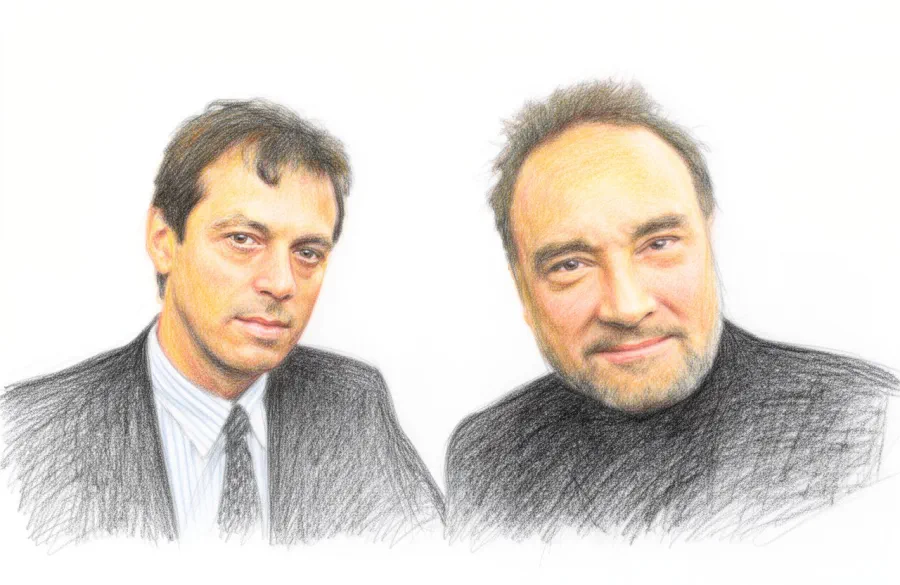
Principal Characters & Performances
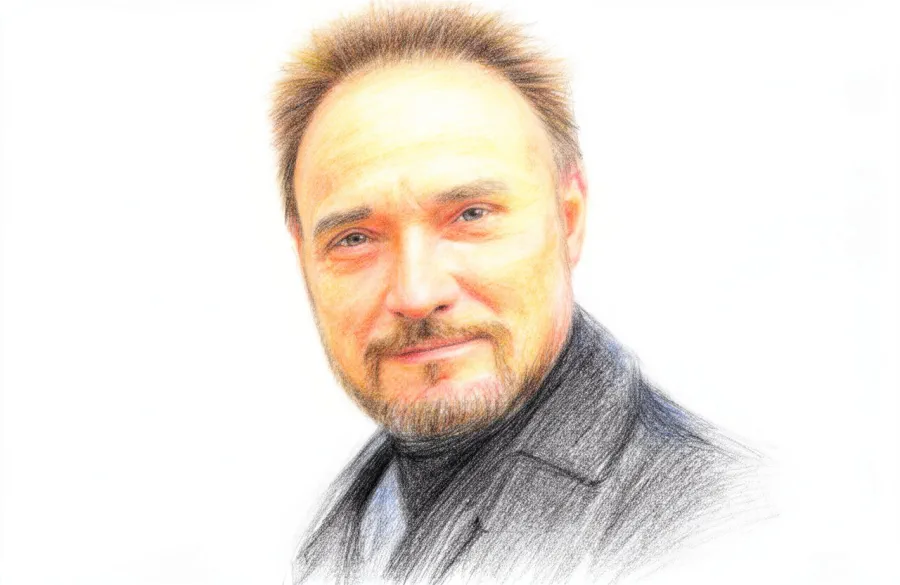
Frank Kane (Don Henderson)
Don Henderson brought a monumental, weary gravitas to Frank Kane, the series' moral anchor. Frank is an ex-priest, "unfrocked" due to a financial scandal, who returns to his South London roots after his mother's death.
He finds himself the co-inheritor of the Paradise Club, a nightclub front for the criminal empire built by his family. Henderson's performance is the show's core tension, his physical presence and deep voice conveying a man constantly wrestling with his past.
Frank is no naive idealist; his faith is battered but not broken, and his love for his brother Danny forces him into a world he despises. Henderson masterfully portrays a man using his clerical skills of mediation and understanding to navigate gangland disputes, often serving as Danny's conscience.
His struggle is the show's ethical engine, a constant question of whether one can engage with evil to mitigate its effects without being consumed by it.
Danny Kane (Leslie Grantham)
Leslie Grantham, then famous as "Dirty Den" from EastEnders, delivered a very different kind of villain as Danny Kane. Danny is the entrenched gangster brother, running the Paradise Club and their mother's "manor" with a volatile mix of charm and brutality.
Grantham plays him as a man utterly at home in the underworld, yet possessing a fierce, unshakeable loyalty to his family, especially Frank. This loyalty is his primary redeeming feature and his greatest vulnerability.
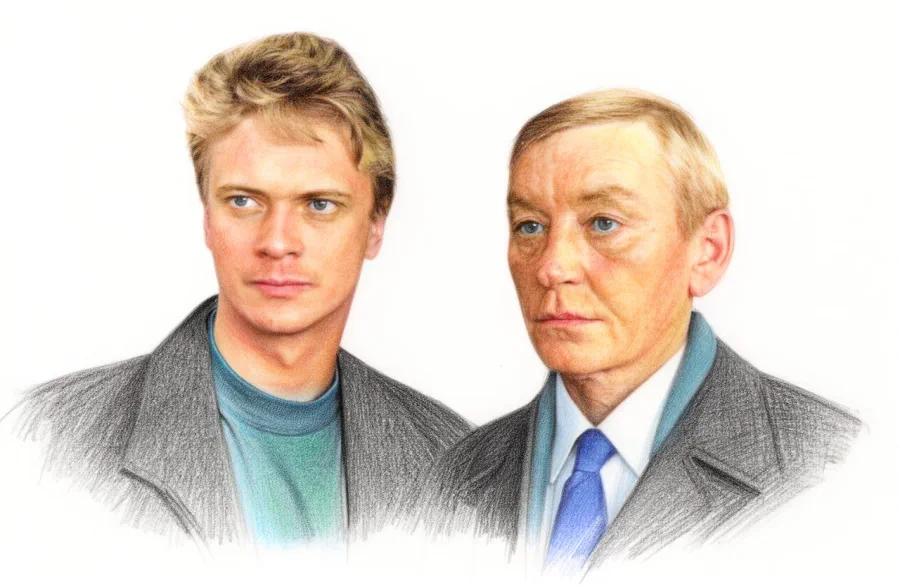
Danny is quick-tempered, shrewd, and often out of his depth against more sophisticated foes, be they rival gangsters or state manipulators. Grantham's chemistry with Don Henderson is the series' bedrock.
Their scenes together, fraught with history and conflicting worldviews, transform what could be a standard crime plot into a compelling family drama about two brothers bound by blood and a toxic inheritance.
Notable Support & Guest Stars
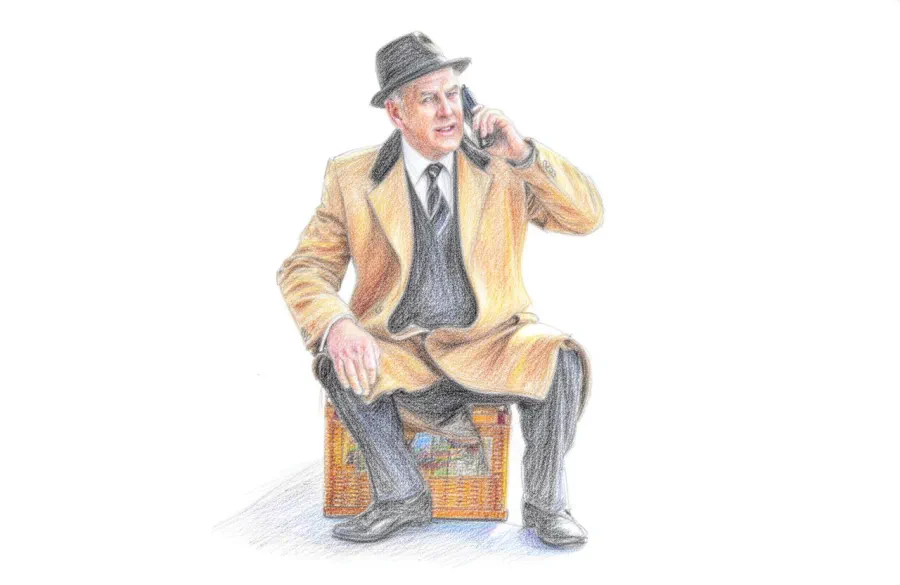
The world around the Kanes was populated by a strong ensemble. Peter Gowen’s Jonjo O’Brady, Danny’s fiercely loyal Irish bodyguard, provided both muscle and a dry wit. Leon Herbert’s Polish Joe was a recurring, reliable associate in the club's operations.
On the law enforcement side, Caroline Bliss as DI Sarah Turnbull and Frederick Warder as DCS Graham represented the often cynical and manipulative police interest in the Kanes' activities.
The guest casting coup, however, was undeniably heavy metal icon Bruce Dickinson of Iron Maiden, appearing with guitarist Janick Gers in the second series episode "Rock and Roll Roulette."
His presence as a rock star drawn into the club's dangerous orbit was a perfect fit for the show's milieu and gave that episode a lasting cult cachet. It underscored the series' commitment to a specific late-80s London atmosphere where crime and popular culture intersected.
The World of The Paradise Club
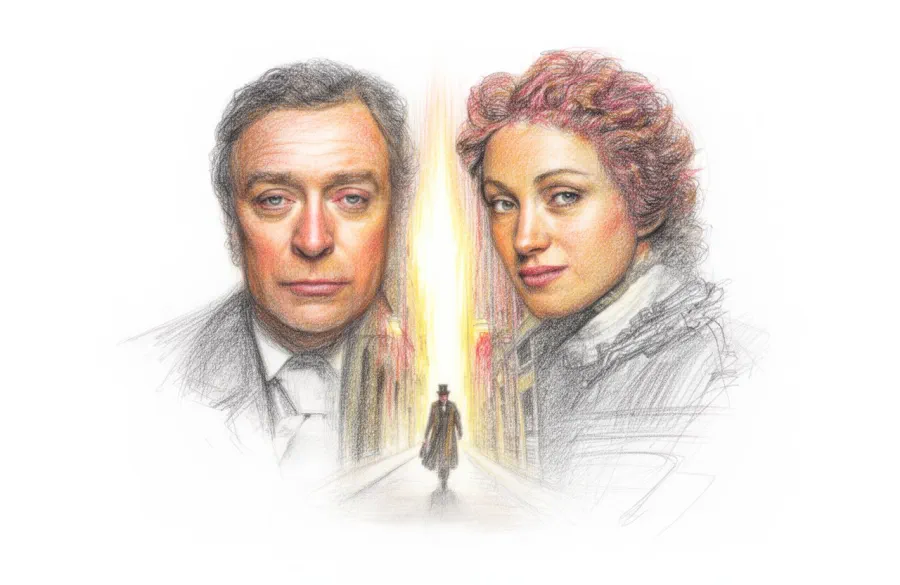
The Paradise Club built a very specific version of late-1980s London. This wasn't the glamorous West End or the political corridors of power, but the gritty "manors" of South London, defined by territorial gangland culture. The eponymous nightclub, inherited from the brothers' mother Ma Kane, was the beating heart of this world.
It served as a legitimate front, a social hub, a counting house, and a negotiation room for criminal deals. Production used real locations like Camden Palace and streets around Hackney's Broadway Market, giving the series an authentic, grounded feel.
The environment constantly juxtaposed the neon-lit, music-pumping interior of the club with drab police stations and the tense, often violent, spaces of the underworld. This world felt lived-in and operational, a fully realized ecosystem where family loyalty, profit, and survival were the only constants.
Origin Story
The Paradise Club was a BBC One crime drama produced by Zenith Entertainment. It was created by writer Murray Smith, who served as a principal writer alongside others including Russell Murray. Selwyn Roberts was the producer, with Archie Tait as executive producer.
The series was directed by several hands, including Lawrence Gordon Clark, and cinematographer Alan Jones helped establish its look. Composer Dave Lawson provided the distinctive theme and score. It was conceived as a contemporary gangland drama with a unique hook: the central conflict between two brothers, one a gangster, the other a former priest, forced to run their mother's criminal empire.
Narrative Style & Tone
The show blended crime thriller plots with deep character drama, all grounded in its London locations. It mixed violent, suspenseful gangland confrontations with a surprising amount of humour, often stemming from the brothers' banter or the absurdities of their situation.
The tone was primarily gritty and moralistic, driven by Frank's perspective, but never dour. The police procedural element was always present, observing from the sidelines. The use of contemporary rock and pop music on the soundtrack, alongside Lawson's score, cemented its late-80s atmosphere. Episodes were largely self-contained stories that fed into the ongoing arc of the brothers' strained relationship and their battle for survival.
How is The Paradise Club remembered?
The Paradise Club is remembered today as a well-made, underrated gem of its era with a dedicated cult following. Its lack of an official DVD release, partly due to music clearance issues, has heightened its status as a lost classic for fans of British crime drama. Retrospective discussion often praises the powerful lead performances and their chemistry, as well as the authentic use of London locations.
The series is also noted in broader conversations about representation, as it attracted some criticism at the time for its stereotyping of ethnic minority characters. For most fans, however, its legacy is defined by its compelling central premise and the quality of its execution. Episodes like "Rock and Roll Roulette" ensure it retains a niche curiosity status, while its core family drama continues to resonate with those who discover it.
In Closing
The Paradise Club stands as a distinctive entry in the canon of BBC crime drama, a show that fused family conflict with gangland grit and moral questioning, all set to a late-80s London beat.