Principal Characters & Performances
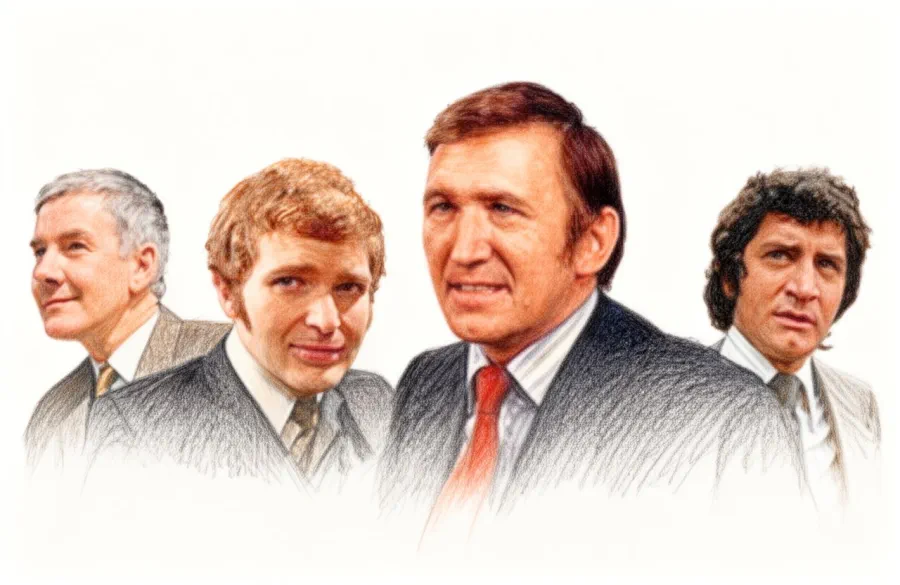
Detective Chief Inspector Alan Craven (George Sewell)
When George Sewell took over as the lead for the 1973 series, he fundamentally reshaped the show's energy. His Detective Chief Inspector Alan Craven is the definitive Special Branch officer for many. Craven is a pragmatic, world-weary professional operating in the grey areas between police work and espionage.
Sewell brought a granite-like physicality and a quiet, simmering intensity to the role. Craven is less a glamorous spy-hunter and more a senior detective burdened by bureaucracy and political oversight. His integrity is constantly under scrutiny, both from external agencies like MI5 and from internal affairs.
This grounded portrayal, a man doing a difficult job within strict legal and political constraints, gave the series a new layer of realism. Sewell's Craven is the anchor, the experienced hand who understands the rules of the shadowy game he is forced to play.
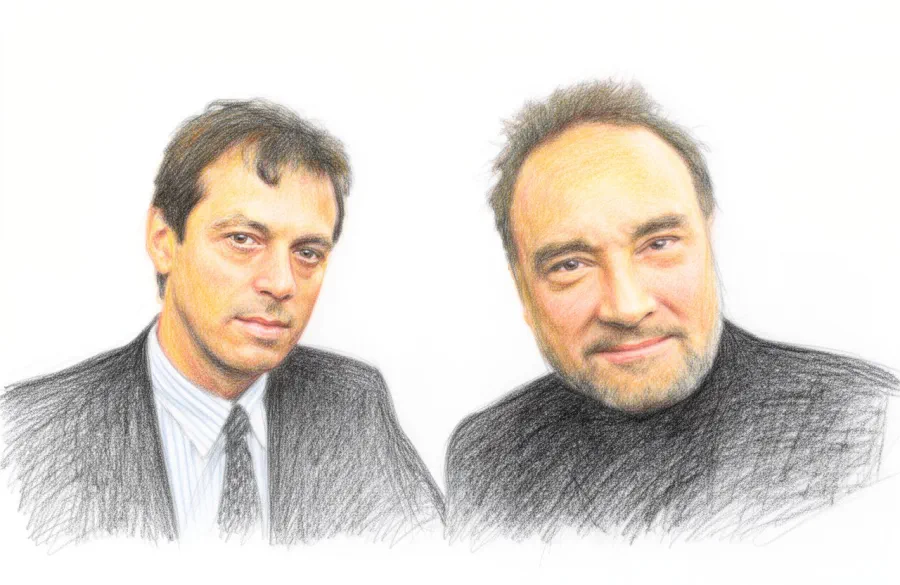
Detective Chief Inspector Tom Haggerty (Patrick Mower)
Introduced in the third series as a foil to Craven, Patrick Mower's Detective Chief Inspector Tom Haggerty injected a potent dose of ambition and volatility. Where Craven is measured, Haggerty is impulsive; where Craven follows procedure, Haggerty often seeks to bend it.
Mower played Haggerty with a sharp, restless energy that created immediate dramatic friction. The professional rivalry and contrasting methodologies between the two lead detectives became a central dynamic of the later, filmed series.
Haggerty represented a newer, more aggressive style of policing, often clashing with Craven's seasoned approach. This partnership, built on mutual respect underpinned by tension, was a key ingredient in the show's successful revival and mirrored the more confrontational style of drama that was emerging in the 1970s.
Notable Support and Guest Stars
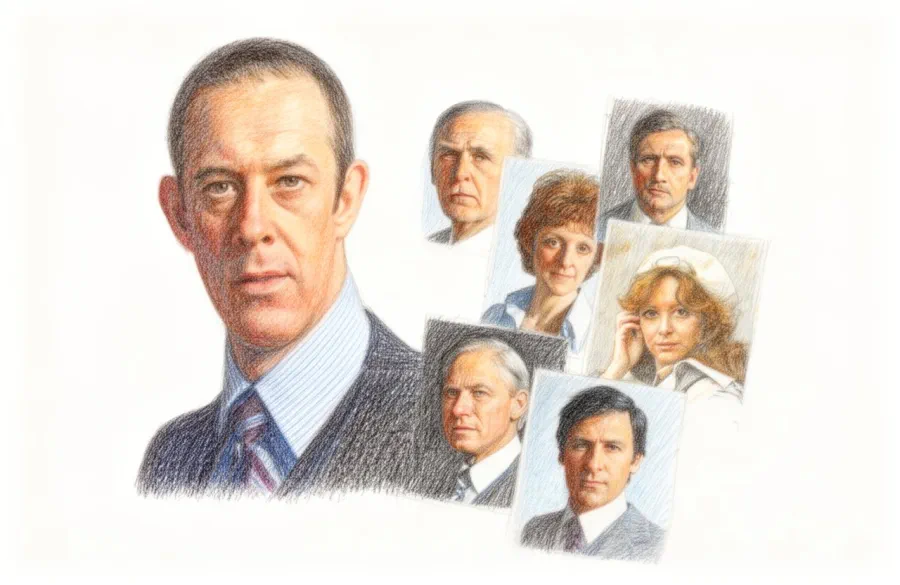
The earlier era of the show was defined by Derren Nesbitt's original lead, Detective Chief Inspector Elliot Jordan. Nesbitt portrayed Jordan with a cool, detached efficiency, setting the initial tone for the series as a procedural focused on counter-espionage tradecraft.
His superiors, played by Wensley Pithey as Superintendent Eden and Fulton Mackay as Superintendent Inman, represented the chain of command and the political pressures from above. Morris Perry made the role of Moxon, the often unhelpful MI5 liaison, a recurring source of inter-agency tension.
The supporting team included Keith Washington as DC Morrissey and Jennifer Wilson as DS Helen Webb, providing the operational backbone. In the later series, Roger Rowland's DS Bill North served as a loyal right-hand man to Craven. Guest stars like Paul Eddington, appearing as the MI5 officer Strand, added further weight and authenticity to the show's depiction of the security landscape.
The World of Special Branch
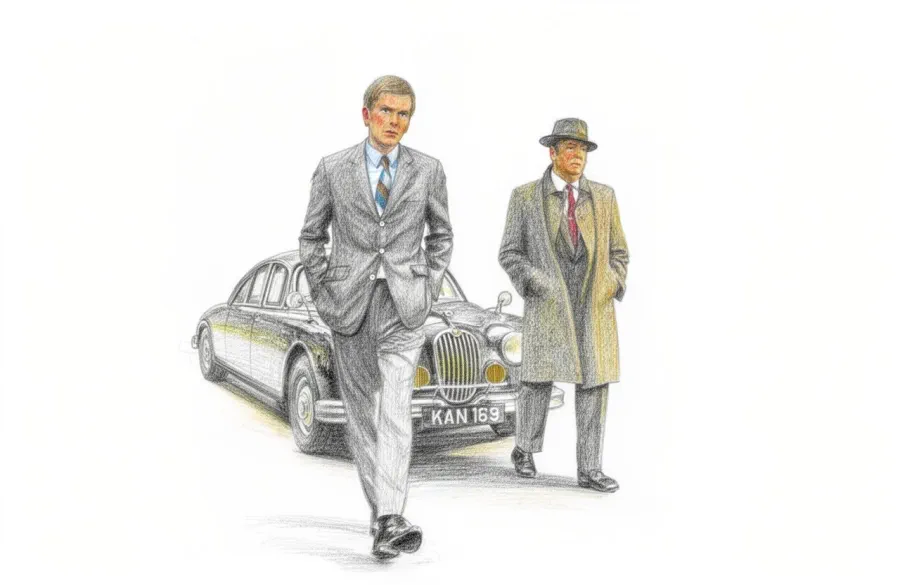
The series is set within the Metropolitan Police's Special Branch, a unit concerned with national security, counter-espionage, and counter-terrorism. This isn't the world of common burglary; it's the realm of spies, anarchists, and political extremists operating in and around London.
The environment alternates between the functional, paperwork-strewn headquarters in Hammersmith and the streets of the capital used for surveillance and tailing operations. Locations like Ennismore Garden Mews became familiar backdrops.
Scenes in Whitehall offices and government buildings are frequent, highlighting the unit's direct links to political power and other agencies like MI5. This world is defined by official secrecy, legal constraints, and the constant tension between police procedure and the demands of the secret state.
Origin Story
Special Branch first aired on ITV in September 1969. It was created under the guidance of writer George Markstein. The first two series were produced by Thames Television using the era's standard method: videotape for studio interiors and filmed inserts for location work.
After a break, the show was revived in 1973 for a third series, but in a transformed state. Production shifted to Thames's subsidiary, Euston Films, which shot entirely on film on location. This technical change, alongside a cast overhaul led by George Sewell, gave the series a new, gritty vitality. Euston Films' work on Special Branch was its very first production.
Narrative Style & Tone
The early series employed a studio-based, procedural style familiar to 1960s television, focusing on dialogue, briefings, and the mechanics of investigation. The tone was serious and suspense-oriented, leaning into espionage themes.
The shift to film for the final two series was transformative. The style became location-driven, more kinetic, and visually realist, allowing for a harder-edged feel. Throughout its run, the narrative maintained a focus on self-contained, case-driven stories.
The tone consistently emphasised the bureaucratic and political complexities of security policing, using tension with intelligence services as a key dramatic device, long before such themes became commonplace.
How is Special Branch remembered?
Special Branch is recalled as a foundational classic of British police drama, particularly the espionage and counter-terrorism subgenre. It is often cited as a direct forerunner to the tougher, more realistic crime series of the 1970s, most notably Euston Films' own The Sweeney.
Its legacy is tied to that production company's influential shift to all-film, location-based shooting. For fans, it represents a gritty, intelligent portrayal of a secretive world, balancing the perceived glamour of spy-hunting with the mundane reality of paperwork and political oversight.
While not laden with awards, its impact is clear; it topped ratings in its time and is held in high regard for its sophisticated approach to Cold War themes and its role in evolving the visual language of British television drama.
In Closing
Special Branch offers a compelling, intelligent journey into the shadowy intersection of policing and politics, a procedural with a secretive heart that helped define an era of television.