Principal Characters & Performances
Detective Superintendent Charles Wycliffe
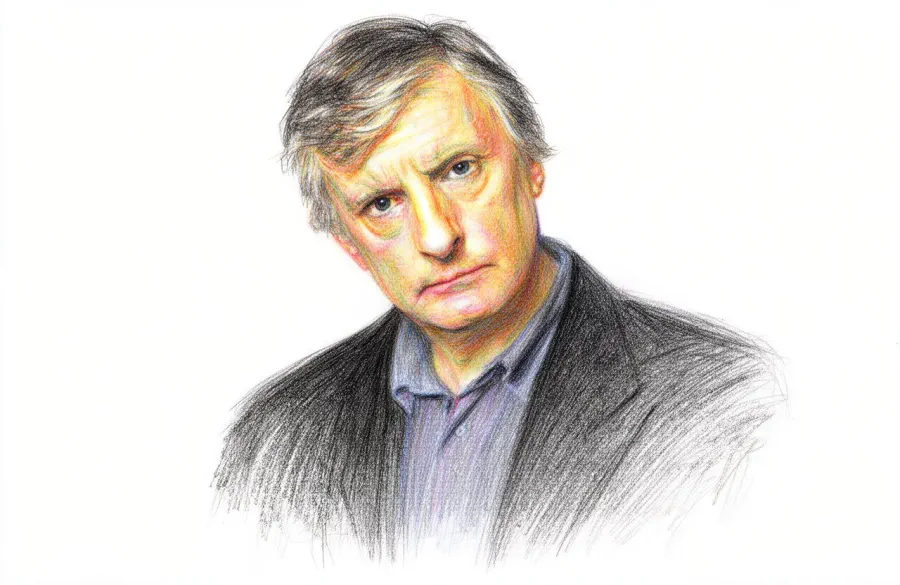
Jack Shepherd’s portrayal of Charles Wycliffe is the quiet, compelling centre of the series. He plays the detective superintendent not as a flashy genius or a tormented maverick, but as a thoughtful, slightly rumpled professional. Wycliffe is a listener, a man who observes and absorbs the details of a case and the nuances of human behaviour.
Shepherd brings a profound sense of integrity and quiet authority to the role. His Wycliffe is a family man, with his home life providing a subtle counterpoint to the grimness of his work. The character’s strength lies in his decency and his dogged, methodical approach. He is often seen wrestling not with the puzzle itself, but with the moral ambiguities it reveals.
This understated performance allows the drama to emerge from the situations and the ensemble, rather than a single dominant personality. Shepherd’s work ensures Wycliffe is a guide we trust through the beautiful but often troubled landscapes of Cornwall, a steady presence navigating both criminal puzzles and the shifting politics of his own force.
Detective Inspector Doug Kersey
As Wycliffe’s dependable right-hand man, Jimmy Yuill’s DI Doug Kersey is the operational backbone of the team. Taking over the role from Kevin Quarmby after the pilot, Yuill quickly established Kersey as a thoroughly grounded and capable detective. He is the pragmatist to Wycliffe’s philosopher, focused on the procedural nuts and bolts of an investigation.
Yuill’s performance conveys a deep-seated loyalty and professional respect for Wycliffe, creating a partnership based on unspoken understanding rather than dramatic friction. Kersey is often the one translating Wycliffe’s intuitions into actionable police work, managing the team on the ground. His character provides a vital link between the superintendent’s strategic overview and the gritty reality of door-to-door inquiries and witness interviews.
The chemistry between Shepherd and Yuill is a key ingredient in the show’s success, selling a believable, workmanlike partnership that feels authentic to a real police CID office.
Notable Support and Guest Stars
The regular ensemble provided a strong foundation. Helen Masters, as DI Lucy Lane, brought a sharp, contemporary energy to the incident room after replacing Carla Mendonça. Lynn Farleigh, taking over from Lucy Fleming, portrayed Helen Wycliffe with a warmth and intelligence that made the home life scenes resonate. Tim Wylton’s pathologist Dr. Franks offered dry, factual commentary from the mortuary.
The series was also notable for its rich roster of guest actors, who populated the Cornish communities with memorable, often eccentric characters. These performances, drawn from the cream of British character acting, sold the world of each episode. From reclusive novelists and struggling fishermen to fraught families hiding dark secrets, these guests gave each case its distinctive human texture.
Their contributions were crucial in transitioning the series from its early, quirkier whodunit adaptations into the more naturalistic, character-driven dramas of the later seasons. They embodied the social and economic pressures of 1990s Cornwall that the stories increasingly sought to explore.
The World of Wycliffe
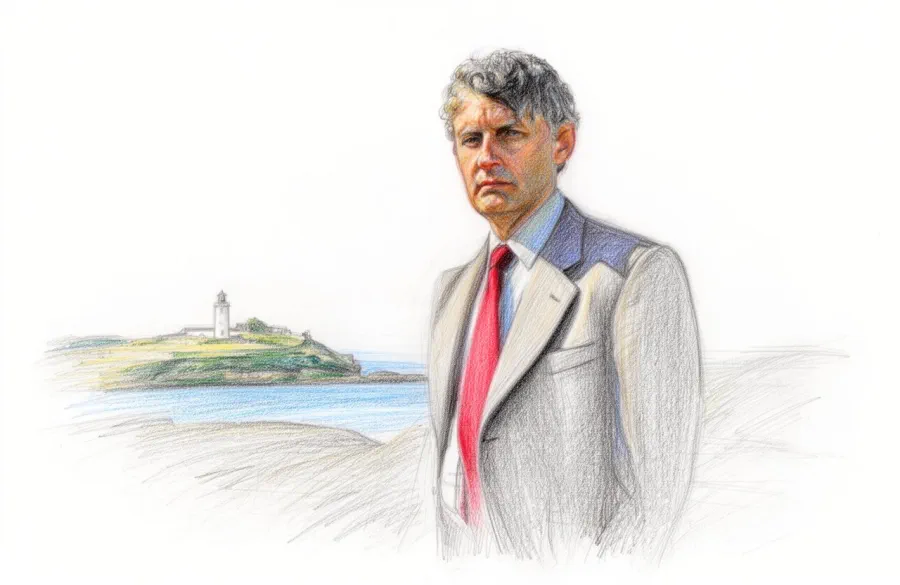
Cornwall is not just a setting for Wycliffe; it is a central character. The series fully immerses itself in the county’s dual identity. We see the picturesque coastlines, cliffs, and harbours familiar to tourists, but the camera also lingers on the more industrial edges, the struggling fishing ports, and the economically depressed villages.
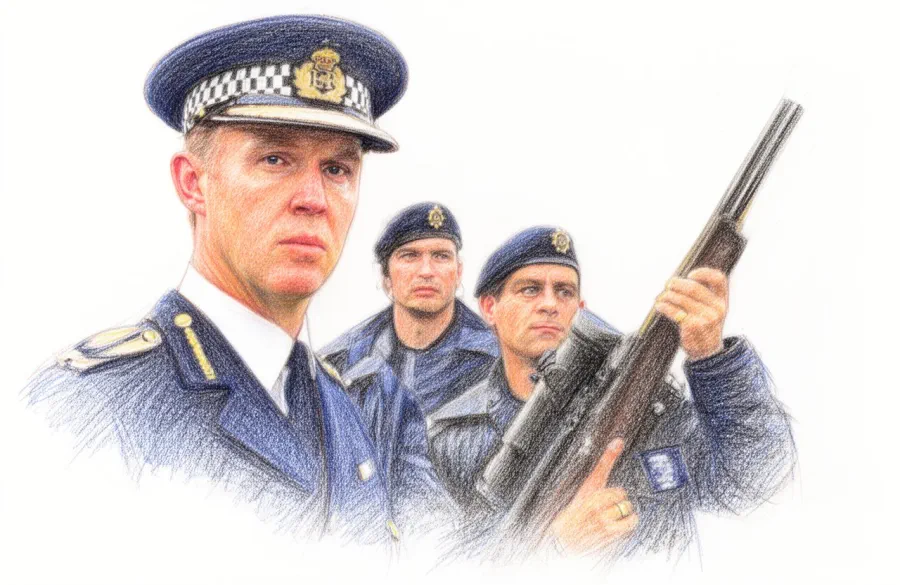
The jurisdiction is the Devon and Cornwall Police, and the stories are deeply rooted in local issues. Plots frequently engage with the tourist trade, the pressures on the fishing industry, rural poverty, and the tensions around new age travellers. This grounded approach gives the crimes a specific social context.
The murders feel like eruptions from within these communities, born of local rivalries, economic desperation, or long-buried secrets. The landscape itself—remote farms, windswept moors, isolated coves—contributes to the atmosphere, offering both breathtaking beauty and a sense of haunting isolation. Wycliffe’s Cornwall is a real, living place, not a generic backdrop.
Origin Story
Wycliffe began as an adaptation of the crime novels by Cornish author W.J. Burley. A feature-length pilot, "Dance of the Scorpions," was broadcast on ITV in August 1993. Produced by Pennant Roberts for HTV, it proved successful enough to launch a full series the following summer.
The production was firmly based in Cornwall, with HTV maintaining its office in Truro, ensuring an authentic connection to the location. The pilot and first series established the core template: methodical investigations led by Jack Shepherd’s superintendent, set against the distinctive Cornish landscape. This solid foundation allowed the series to evolve over its five-season run, guided by producers like Geraint Morris and Michael Bartley.
Narrative Style & Tone
The series underwent a notable tonal shift during its run. The early episodes, drawn from Burley’s books, often followed a more traditional whodunit structure, sometimes featuring eccentric characters and puzzle-like plots. The pace was deliberate, focused on step-by-step detection.
As the series progressed, it adopted a more naturalistic and sombre style. The emphasis moved from the puzzle to the psychological and social circumstances of the crime. Storylines began to incorporate internal police politics and institutional conflict with greater frequency. The music by Nigel Hess and the atmospheric location shooting provided a consistent, slightly melancholic mood throughout. The style ultimately settled as a character-led procedural, less concerned with surprise culprits than with the human consequences of violence.
How is Wycliffe remembered?
Wycliffe is remembered as a hallmark of 1990s British television drama, a consistent and quality entry in ITV’s crime roster. Its enduring appeal lies in the reliable, intelligent presence of Jack Shepherd in the title role and the exceptional chemistry of his core team with Jimmy Yuill and Helen Masters. For many, it is defined by its strong sense of place, using Cornwall not as mere scenery but as a narrative engine.
The show’s legacy is bolstered by its availability through repeats on channels like ITV3 and on streaming platforms, finding new audiences. Retrospectives often praise its evolution from cozy mystery toward more challenging drama. It is recalled as a series that valued atmosphere and character over sensationalism, a quieter, more thoughtful detective show that offered a compelling portrait of its time and place through the lens of a murder investigation.
In Closing
Wycliffe stands as a testament to the strength of character and place in crime drama. It offers a complete, satisfying journey through its era, anchored by a superb central performance and the ever-present, beautiful complexity of Cornwall.