Principal Characters & Performances
Ken Boon
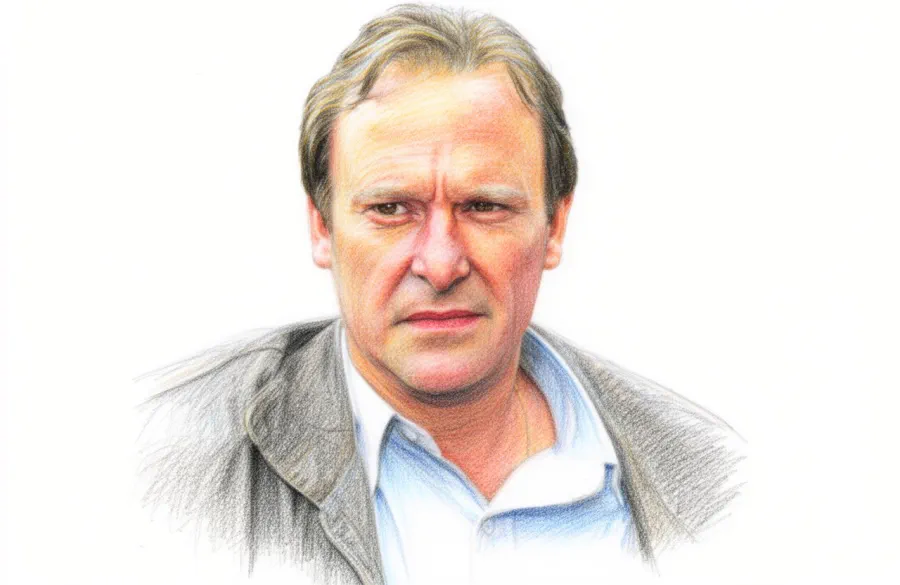
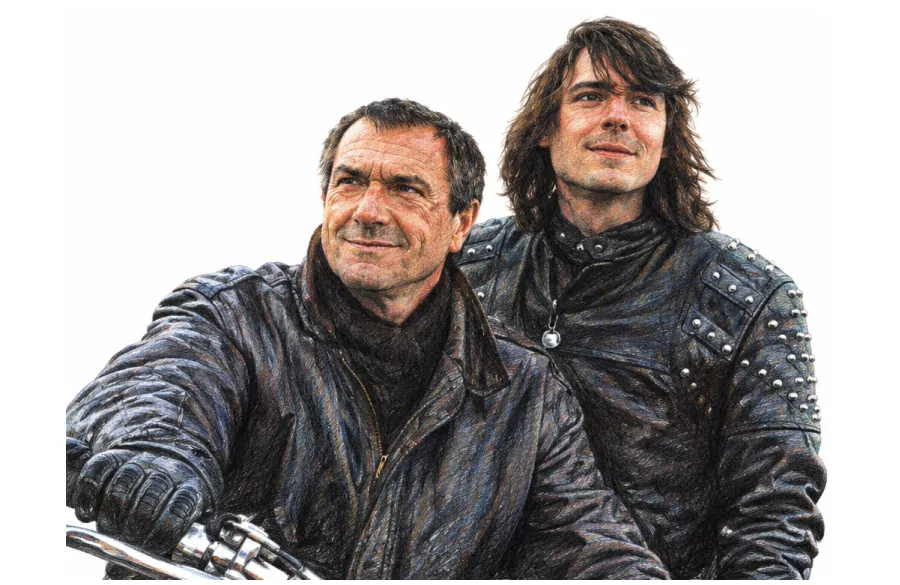
Ken Boon is a West Midlands fireman whose lungs were damaged rescuing a boy from a fire, and who leaves the service with nothing to do but a caravan and a market garden. When his old colleague Harry places an advert on his behalf, offering an ex-fireman for interesting work with anything legal considered, the series begins: a modern western in which the lone rider is a middle-aged man on a 1965 BSA.
Michael Elphick was the creators’ first choice. Jim Hill had met him on a BBC film and knew that after Private Schulz he risked being cast only as heavies; Boon gave him a lead of charm and vulnerability, and it became his biggest television success, with audiences reported to have reached 11 million at their peak.
Ken drifts from market gardening to a motorcycle courier firm, the Texas Rangers, and then to security and private investigation, but the character holds steady: a stoic lone hero, in Television Heaven’s phrase, happiest on two wheels. Elphick died in 2002, aged 55; Neil Morrissey called him one of the best actors the country had produced.
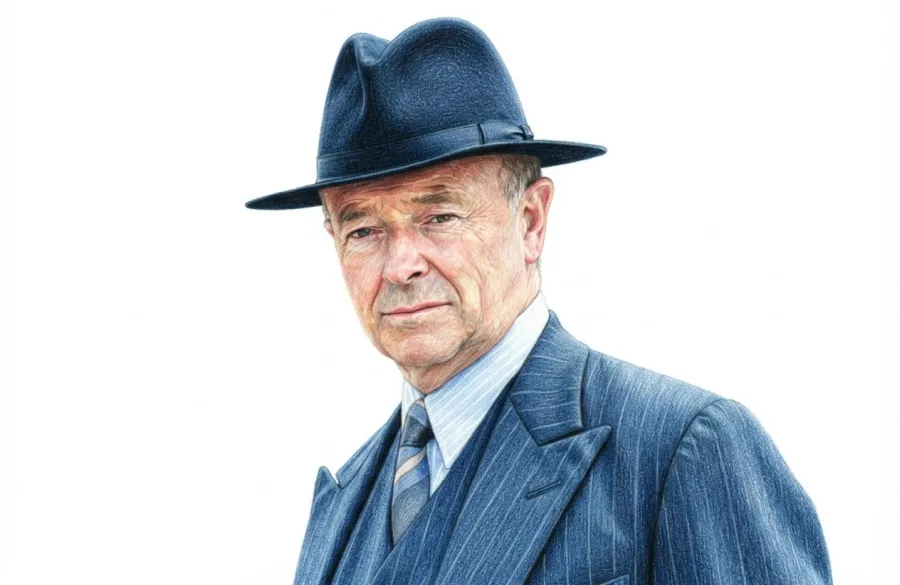
Harry Crawford
David Daker’s Harry Crawford is Ken’s old workmate from the fire brigade, who retires to Spain to open a bar, loses his wife and comes home to run a succession of hotels, ballrooms and country clubs. It is Harry who sets Ken up in business, and the partnership of the businessman and the man who goes out on the job is the heart of the series.
Daker appears in all but a handful of the ninety-three episodes, and Television Heaven credits him with much of the show’s humour and camaraderie. By the fifth series the two run Crawford Boon Security together, Ken on investigations and Harry on the security side.
Rocky Cassidy
Neil Morrissey joined in the second series as Rocky Cassidy, a dim but willing young biker recruited to the Texas Rangers. It was his first major television role, five years before Men Behaving Badly made him famous, and Rocky stays to the end as the series’ comic relief.
Notable Support and Guest Stars
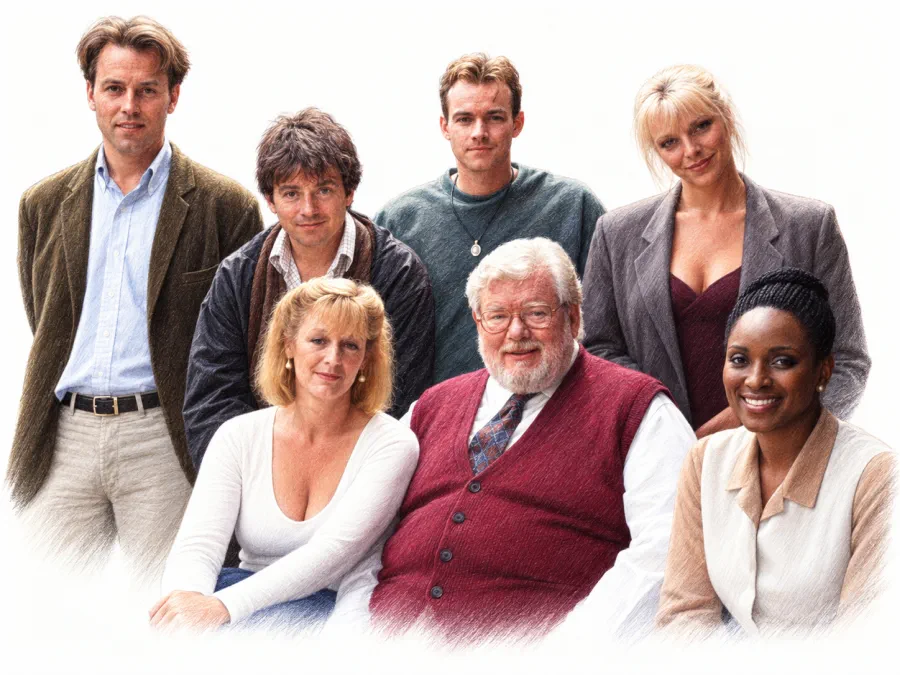
The women around them change with the series: Amanda Burton as Detective Constable Margaret Daly in the second and third, years before Silent Witness and The Commander; Elizabeth Carling as Laura Marsh from the move to Nottingham until the 1991 Christmas episode; Saskia Wickham as Alex Wilton in the last series; and Rachel Davies, Lesley-Anne Sharpe and Brigit Forsyth earlier on.
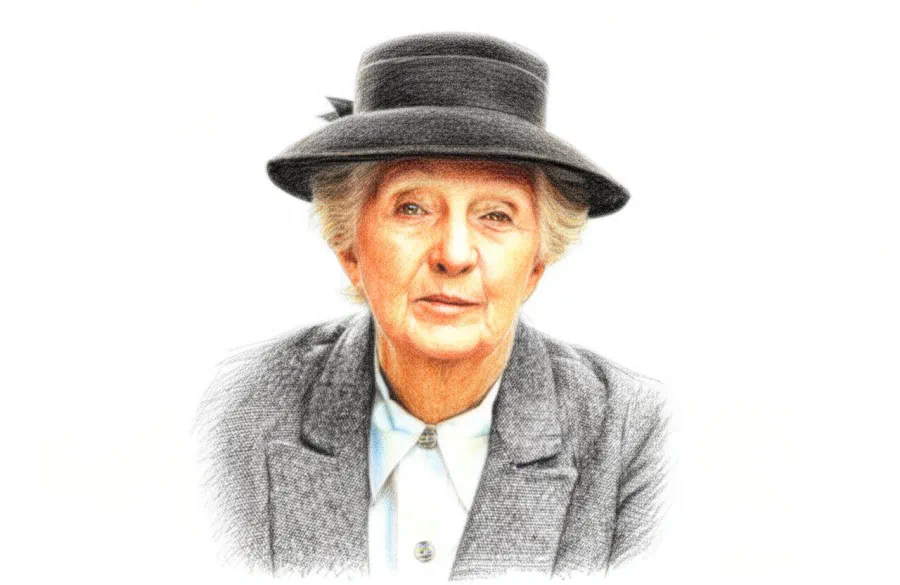
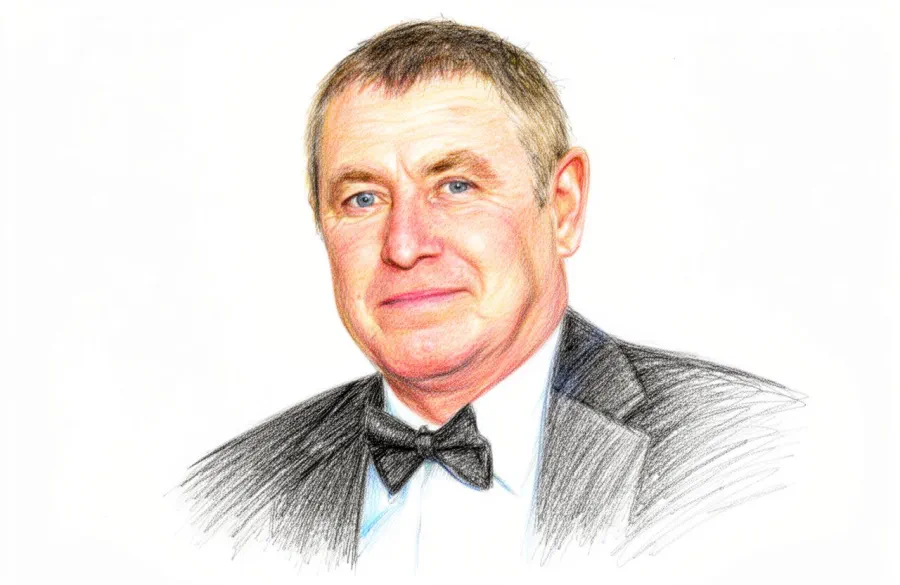
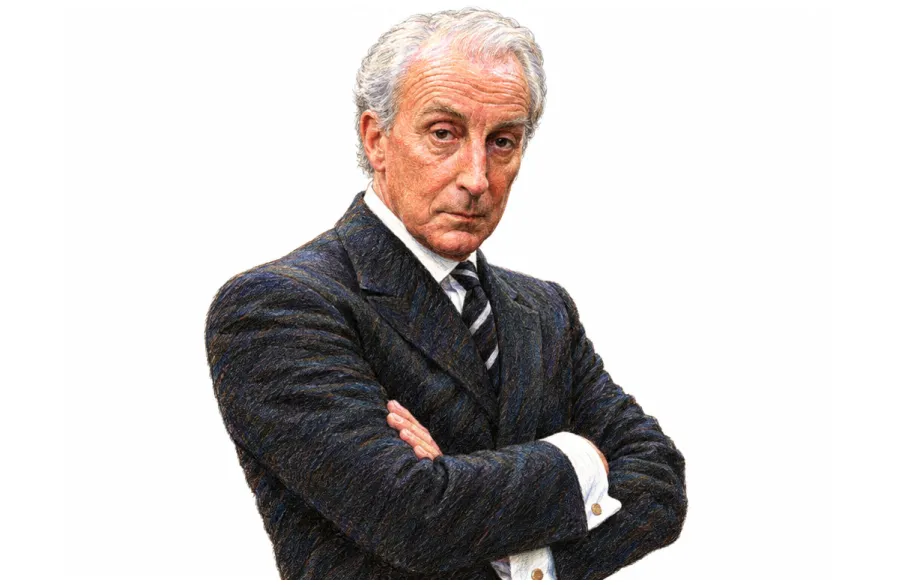
The guest list reads like a register of British television. Warren Clarke, Richard Griffiths, Joan Hickson, John Nettles, Dennis Waterman, Michael Kitchen, Jill Gascoine, Don Henderson and Stephanie Turner, all with pages on this site, pass through, alongside Alfred Molina, Jenny Agutter, Stephen Dillane and Jason Isaacs, and early small roles for Jerome Flynn and Christopher Eccleston.
The World of Boon
Jim Hill and Bill Stair built Boon on the American television western and moved the frontier to the Midlands. Ken rides a red and silver BSA Lightning called White Lightning, the title sequences cast him as the Lone Ranger with a motorbike for a horse, and the theme, Jim Diamond’s “Hi Ho Silver”, says it outright.
The first three series are set in Birmingham and the West Midlands, around Harry’s Grand Hotel and Ken’s caravan, the Ponderosa; from the fourth, when production moved to Central’s Nottingham studios, the action moves with it.
The cases are small and local: a protection racket at the hotel, a spy who needs minding, a landlord driving out his tenants, a businessman accused of kidnapping a child. The rule is the one in Harry’s advert, anything legal considered.
Origin Story
The working title was Anything Legal Considered. Central wanted the hero’s name instead, and Hill took it from Richard Boone, star of Have Gun – Will Travel: “We dropped the E and we had Boon.” Hill has also recalled resubmitting a script that Minder had rejected, with Ken and Harry’s names on it.
Central launched the series on ITV on 14 January 1986. Hill and Stair are credited on all ninety-three episodes, whose writers also included Anthony Minghella, Tony Jordan and Geoff McQueen; Stair died in May 1991, and that year’s Christmas episode paid tribute to him.
Seven series ran until December 1992: the first mixed location film with studio videotape, the second and third were shot on film, and the last four on videotape. One more episode, “Thieves Like Us”, was held back and finally shown on 1 May 1995.
Narrative Style & Tone
Each episode is a self-contained fifty-minute story, part crime and part comedy, built around whatever job the week brings. Television Heaven puts its appeal down to an infectious blend of humour, wit and heart, and above all to the banter between Elphick and Daker.
The format kept changing around its fixed points. Ken’s business moved from market garden to courier firm to security and investigation, the setting moved from Birmingham to Nottingham, and the look moved from film to videotape. What did not change was the western frame, renewed in a fresh title sequence for every series.
How is Boon remembered?
Warmly, if not seriously. It was a long-running ITV success with a theme that reached No. 5 in the singles chart in 1986, and it has since been repeated on UKTV’s Drama channel and on ITV4 and released in full on DVD.
Critical writing on it is scarce, and its IMDb rating of 6.5 suggests a series loved more than admired. Its best-rated episodes include “Topspin”, “Trial and Error” and “Message in a Bottle”, and it is remembered now as the start of Neil Morrissey’s career and as a showcase for Michael Elphick.
In Closing
An ex-fireman, a motorbike and an advert in the local paper. Boon is a small, likeable British western, and the partnership of Michael Elphick and David Daker carries it through seven series.