My Critique of Ray Lonnen
Raymond Lonnen’s defining strength was his unshowy precision; in ‘The Sandbaggers’, his Willie Caine set the standard for weary professionalism. This lack of overt vanity was a constraint, however, and his subsequent leads, including ‘Harry’s Game’, often felt like variations on a theme rather than departures.
Unlike flashier contemporaries who courted stardom, Lonnen was the consummate actor’s actor, reliable and subtly effective. For the modern viewer, his work remains a masterclass in understated integrity, a reminder that the most compelling television drama often resides not in spectacle, but in the quiet, humane truth of a performance.
Early Life
Raymond Stanley Lonnen was born on May 18, 1940, in Bournemouth, England. His path to the stage was not a conventional one.
Failing his 11-plus exam, he left school at the age of 15, a moment that could have closed many doors. He learned shorthand typing as a practical fallback, a skill that would later underscore his pragmatic approach to the precarious life of an actor.
Yet, a spark had already been lit. As a youth, he developed a passion for storytelling by frequently sneaking into a local cinema, immersing himself in worlds beyond his own.
This nascent love for performance led him to enroll at the Hampshire School of Drama, a decisive step toward his true calling. His professional journey began at 19 with a company at the Belfast Arts Theatre.
This was followed by the essential apprenticeship of repertory theatre in towns like York, where he cut his teeth on classics, playing Fabian in ‘Twelfth Night’, and contemporary revues. This grounding in live performance, where an actor must be versatile and reliable night after night, forged the disciplined, unshowy craftsman he would become.
Early Career & First Roles
Lonnen’s television debut came in the long-running medical drama ‘Emergency – Ward 10’. Throughout the 1960s, he built a steady portfolio with appearances in series like ‘Mrs.
Thursday’, ‘The Power Game’, and playing cockney market trader Dave Sampson in ‘Market in Honey Lane’. These early parts showcased his adaptability, a quality that would define his career.
His first significant, character-defining role arrived in 1972 as Detective Sergeant Terry Moffatt in the seminal police series ‘Z-Cars’. Promoted to Detective Inspector during his tenure, which lasted until 1977, Lonnen embodied the humane, dedicated officer.
This role established his screen persona: intelligent, grounded, and possessed of a quiet authority that avoided cliché. Alongside this, he took memorable guest turns, such as the bank robber Knaggs in ‘Public Eye’ (1975).
Major Roles
While ‘Z-Cars’ made him a familiar face, it was in the late 1970s and 1980s that Ray Lonnen delivered the performances that cemented his status as a highly respected and compelling presence in British television drama, particularly within the intelligence and crime genres.
Willie Caine in ‘The Sandbaggers‘ (1978–1980)
In Ian Mackintosh’s revered and brutally realistic spy series ‘The Sandbaggers’, Lonnen was cast as Willie Caine, the Deputy Director of Operations for the elite “Sandbaggers” covert missions unit. On paper, Caine was the loyal right-hand man to the abrasive Director, Neil Burnside (Roy Marsden).
Yet, in Lonnen’s masterful hands, the role became the series’ moral and emotional anchor.
Caine was the human counterpoint to Burnside’s cold pragmatism. Lonnen portrayed him with a profound weariness that spoke volumes of the personal cost of a life in intelligence.
His performance was a masterclass in subtlety; the concern in his eyes, the slight hesitation before delivering bad news, the contained frustration at political interference—all communicated without a raised voice. He was the conscience of the show, the man who remembered the agents as people, not just assets.
This was not a flashy action-hero part, but one of immense dramatic weight. Lonnen’s Caine provided the essential warmth and reliability that made the cynical world of the series believable and tragically human.
His chemistry with Marsden was electric, built on a foundation of mutual respect and deep-seated conflict over methods and morality. For fans of intelligent, character-driven espionage drama, Lonnen’s performance as Willie Caine remains a benchmark of understated excellence, a key reason the series is held in such enduringly high esteem.
Harry Brown in ‘Harry’s Game’ (1982)
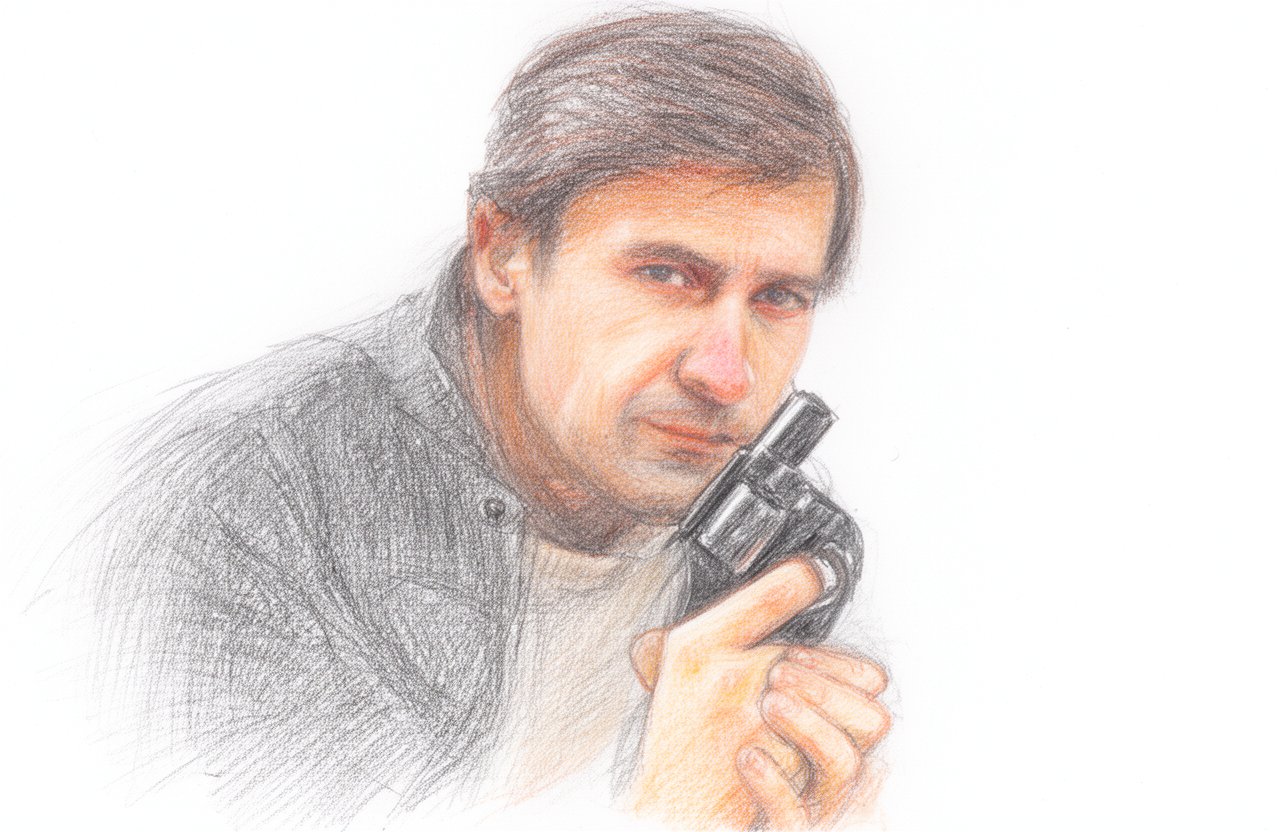
If ‘The Sandbaggers’ showcased his subtle support, the 1982 Yorkshire Television miniseries ‘Harry’s Game’ placed Ray Lonnen squarely in the lead, and he delivered a performance of compelling intensity. Based on Gerald Seymour’s novel, the story follows Captain Harry Brown, a British Army officer sent undercover into the heart of Belfast to infiltrate the IRA and identify a high-level assassin.
Lonnen portrayed Brown’s terrifying isolation and psychological disintegration with remarkable precision. Stripped of his military identity, living in a constant state of hyper-vigilance, his Harry Brown was a man being slowly eroded from within.
Lonnen avoided melodrama, instead conveying the character’s mounting fear and paranoia through minute physical details: a hunted glance, the tension in his shoulders, the increasing hollows in his face.
It was a brave and physically demanding role that required him to carry the immense psychological weight of the narrative. His performance was praised for its raw authenticity and emotional truth, capturing the brutal human reality of the Troubles far beyond political rhetoric.
‘Harry’s Game’, and Lonnen’s central performance, stand as a distinguished and powerful piece of television drama from the era.
Other Notable Work
Lonnen’s facility with authority and intelligence made him a natural for further crime drama. In 1990, he took another lead role as Detective Inspector Alex Vale in ‘Yellowthread Street’, bringing his trademark steady competence to the Hong Kong-set police series.
He continued to be a valuable guest star in iconic shows, bringing gravitas to ‘The Brief’ (1984) as a barrister and appearing in everything from ‘Lovejoy‘ to a late-career turn in ‘Midsomer Murders‘ (2007).
His versatility even extended to voice work, most charmingly as the narrator and character voices for the children’s series ‘Budgie the Little Helicopter’. This range, from gritty spy to gentle storyteller, is a testament to his skill and lack of ego, always serving the story at hand.
Acting Style
Ray Lonnen’s acting was defined by its elegant understatement. He was an actor of quiet power, preferring nuance over histrionics.
Whether playing a detective, a spy, or a soldier, he brought a deeply humane quality to his roles, avoiding cynicism and finding the character’s core integrity. He had a particular talent for portraying intelligent, burdened men—officials who felt the weight of their decisions.
His style was one of reliability and strength, making him a valued presence within any cast. Directors and fellow actors knew they could depend on him for a performance of subtlety and precision.
This precision also made him effective in comedy, where his timing and subtle reaction shots could be priceless. He approached his craft with a palpable lack of bitterness and a maintained sense of humour, qualities that shone through his work and made his characters profoundly relatable.
Personal Life
Away from the cameras, Lonnen was known for his warmth, elegance, and wit. He was married three times: first to Jean Conyers, then to actress Lynn Dalby, with whom he had two sons and a daughter, and finally to actress Tara Ward in 1994, a union that lasted until his passing.
He enjoyed travel, often touring with stage productions, and was fond of wordplay, delighting in puns and limericks.
His early experience working in a mattress factory before pursuing acting informed a pragmatic and grateful perspective on his profession. He maintained a positive outlook, valuing the craft and the camaraderie over the trappings of fame.
This grounded, humorous, and loving approach to life was felt by all who knew him and is reflected in the thoughtful authenticity of his performances.
In closing…
Ray Lonnen passed away in 2014, leaving behind a body of work that exemplifies the best of British character acting. He may not have sought the spotlight of a superstar, but within the realms of spy thriller and police drama, he was a consummate professional whose contributions are indelible.
To watch him as Willie Caine or Harry Brown is to witness an actor of great skill and profound humanity at work—reliable, compelling, and always, subtly, brilliant.