
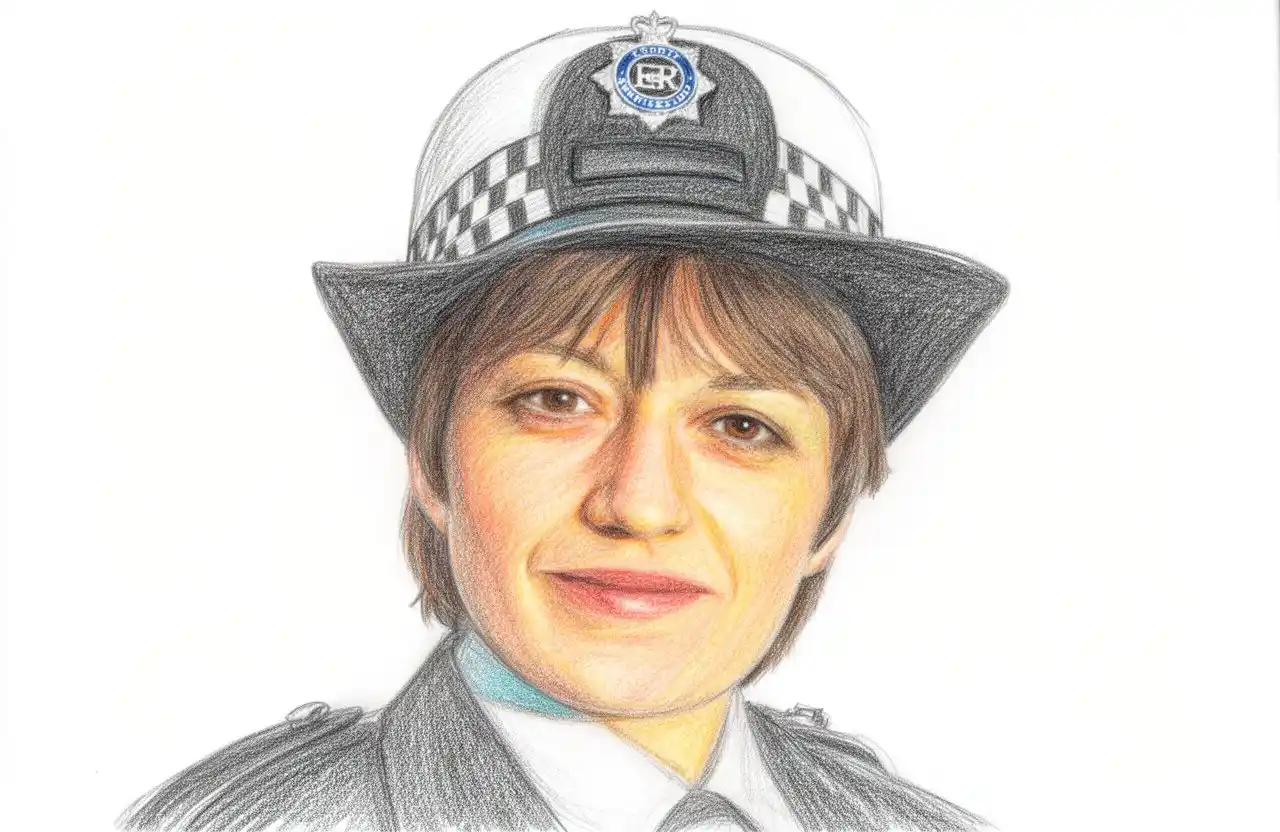
My Critique of Stephanie Turner
Stephanie Turner provided the procedural authenticity that British crime drama often lacked. Her definitive three-year run as Inspector Darblay in *Juliet Bravo* established a rare female authority figure, yet the character was ultimately constrained by the era’s institutional conservatism.
While peers in *The Sweeney* offered brutish spectacle, Turner’s grounded work in *Z-Cars* and a notable *Sweeney* guest spot showcased a compelling, understated grit. Even in fleeting roles like *Casualty*, she projected immediate credibility.
For modern viewers, her career remains a vital benchmark in the evolution of women in British policing narratives, representing a crucial step towards complexity beyond the archetypal uniform.
Early Life
Stephanie Turner was born on May 25, 1944, in Bradford, West Yorkshire, a city whose industrial grit and warmth would subtly inform her later characterisations. The spark for her future career was lit in the magical, transformative world of childhood pantomime, where the thrill of performance first captured her imagination.
This early passion was channelled into formal study, leading her to Manchester University where she earned a degree in drama, solidifying her theoretical and practical foundation in the craft. Her academic journey completed, Turner, like so many British actors of her generation, sought her professional baptism in the demanding crucible of regional repertory theatre, beginning her stage career in Worcester.
Early Career & First Roles
The late 1960s and 1970s were a period of diligent apprenticeship for Turner, as she built her resume with the steady, varied work that defines a serious actor’s early years. Her professional stage debut came as Olivia in ‘Twelfth Night’ at Worcester Rep in 1967.
Television soon followed, with an appearance in the 1970 film ‘Morning Story’. Throughout the decade, she became a familiar and reliable presence on popular British series, guest-starring in shows like ‘Special Branch‘ (1974) and ‘Public Eye’ (1975), and taking a recurring role as Jessie Naylor in ‘Sam’ (1974).
These parts honed her skills in naturalistic television drama, preparing her for more substantial commitments.
Major Roles
Stephanie Turner’s career is a testament to skilled professionalism, marked by one defining lead role and several memorable supporting performances that cemented her reputation as a compelling and authoritative presence on screen.
Inspector Jean Darblay in ‘Juliet Bravo‘ (1980-1982)
In 1980, Stephanie Turner stepped into television history with her portrayal of Inspector Jean Darblay in the BBC series ‘Juliet Bravo’. This role was not just a career highlight but a significant moment in British television, placing a competent, compassionate, and decidedly ordinary woman at the helm of a police station in the fictional Lancashire town of Hartley.
Following in the footsteps of Anna Carteret’s Inspector Kate Longton, Turner’s Darblay represented a crucial evolution in the depiction of women in authority on screen.
Jean Darblay was a revelation precisely because of her lack of overt revolution. Turner played her not as a super-cop battling sexism at every turn, but as a dedicated professional doing her job.
She brought a quiet, unwavering competence to the role, her authority stemming from intelligence, empathy, and a deep understanding of her community. Turner masterfully conveyed the character’s dual life, balancing the demands of leadership at Hartley Police Station with the realities of being a wife and mother, a dynamic rarely explored with such nuance in police procedurals of the era.
Turner’s performance was grounded in a powerful naturalism. She avoided grand gestures, instead using subtle shifts in expression and a measured, Yorkshire-inflected delivery to convey doubt, resolve, frustration, and warmth.
Her Darblay listened intently, thought visibly, and led through collaboration rather than command. This approach made her immensely relatable and believable, a police officer who solved crimes through procedural diligence and human connection.
For two series, Turner anchored the show with this dignified, strong presence, making Jean Darblay a role model and a genuinely pioneering figure in the landscape of British television detectives.
Her departure from the series after Series 3 was keenly felt, marking the end of a distinctive era for the show. The role of Inspector Jean Darblay remains the cornerstone of Turner’s legacy, a performance that resonated because of its authenticity and its quiet challenge to stereotypes, securing her a permanent and respected place in the canon of British TV police drama.
WPC Howarth in ‘Z-Cars’ (1972-1975)
Before commanding Hartley station, Turner learned the ropes of televised policing in the gritty, groundbreaking world of ‘Z-Cars’. Her role as WPC (Woman Police Constable) Howarth, which she played from 1972 to 1975, was an essential apprenticeship.
‘Z-Cars’ was renowned for its documentary-style realism and focus on the mundane pressures of police work, and Turner fitted seamlessly into this ensemble.
As WPC Howarth, she was part of the fabric of the Newtown police force, portraying a junior officer navigating the challenges of a male-dominated profession. The role allowed Turner to develop the understated, observant style that would later define her work.
She presented Howarth as capable and resilient, dealing with everything from domestic disputes to petty crime with a calm professionalism. This sustained supporting role across multiple episodes provided invaluable experience in sustaining a character within a long-running series and offered a fascinating glimpse of the professional pathway that would, fictionally, lead a WPC to become an Inspector.
Her time on ‘Z-Cars’ was a masterclass in ensemble television acting and a key step in her journey toward her iconic role.
Other Notable Work
Beyond the police station, Turner demonstrated her versatility across British television. She made a memorable guest appearance in the hard-hitting ITV drama ‘The Sweeney‘ in 1975, playing Alison Carter, showcasing her ability to hold her own in a different, more volatile police drama environment.
In later decades, she returned to the BBC for a poignant guest stint as Dinah Reynolds in ‘Casualty’ (1992).
She also showed a flair for character comedy and drama in supporting roles, such as the officious Miss Armitage in the sitcom ‘The Hello Girls’ in the 1990s and the formidable Mrs. Hope Q.C.
in the acclaimed drama ‘At Home with the Braithwaites’ in the 2000s. These roles, though smaller, highlighted her range and her enduring ability to create fully realised, memorable characters with economy and skill.
Acting Style
Stephanie Turner’s acting is distinguished by its compelling authenticity and authoritative calm. She possessed a remarkable ability to project strength without aggression, and authority without arrogance.
Her performances were built on a foundation of naturalistic detail—a thoughtful pause, a direct gaze, a tone of voice that carried both empathy and resolve. This made her particularly effective in roles of responsibility, most notably in law enforcement, where she traded theatricality for a profound believability.
She excelled at conveying the interior life of her characters, suggesting vulnerability and complex thought processes behind a composed exterior. Her style was never showy; it was dedicated, precise, and deeply professional.
Turner had the skill to make competence dramatically engaging, and in doing so, she brought dignity and reality to every part she played, earning the deep respect of audiences and peers alike.
Personal Life
Stephanie Turner has maintained a notably private personal life alongside her public career. She is married and has two children.
Beyond acting, she has cultivated a diverse range of interests and commitments. She has been involved in an antiques business, reflecting a passion outside the performing arts.
Perhaps most significantly, she has dedicated time to charitable work, notably volunteering with InterAct Stroke Support, a charity where actors read to patients recovering from strokes, using her skill with words to aid in rehabilitation.
In her later years, she has also shared her extensive experience by mentoring and directing drama students, giving back to the craft that defined her professional life. This blend of artistic pursuit, business acumen, and community service paints a picture of a well-rounded and engaged individual whose contributions extend beyond the television screen.
In closing…
Stephanie Turner’s career is a masterclass in consistent, quality television acting. While she will forever be celebrated as the pioneering Inspector Jean Darblay in ‘Juliet Bravo’, her body of work reveals a skilled and versatile performer who brought integrity and depth to every role.
From the patrols of ‘Z-Cars’ to the guest spots in iconic series, her reliable presence, naturalistic style, and authoritative warmth left a lasting impression. She is a highly respected figure in British television drama, an actor whose work is defined not by flash, but by substance, craft, and an enduring, believable humanity.