
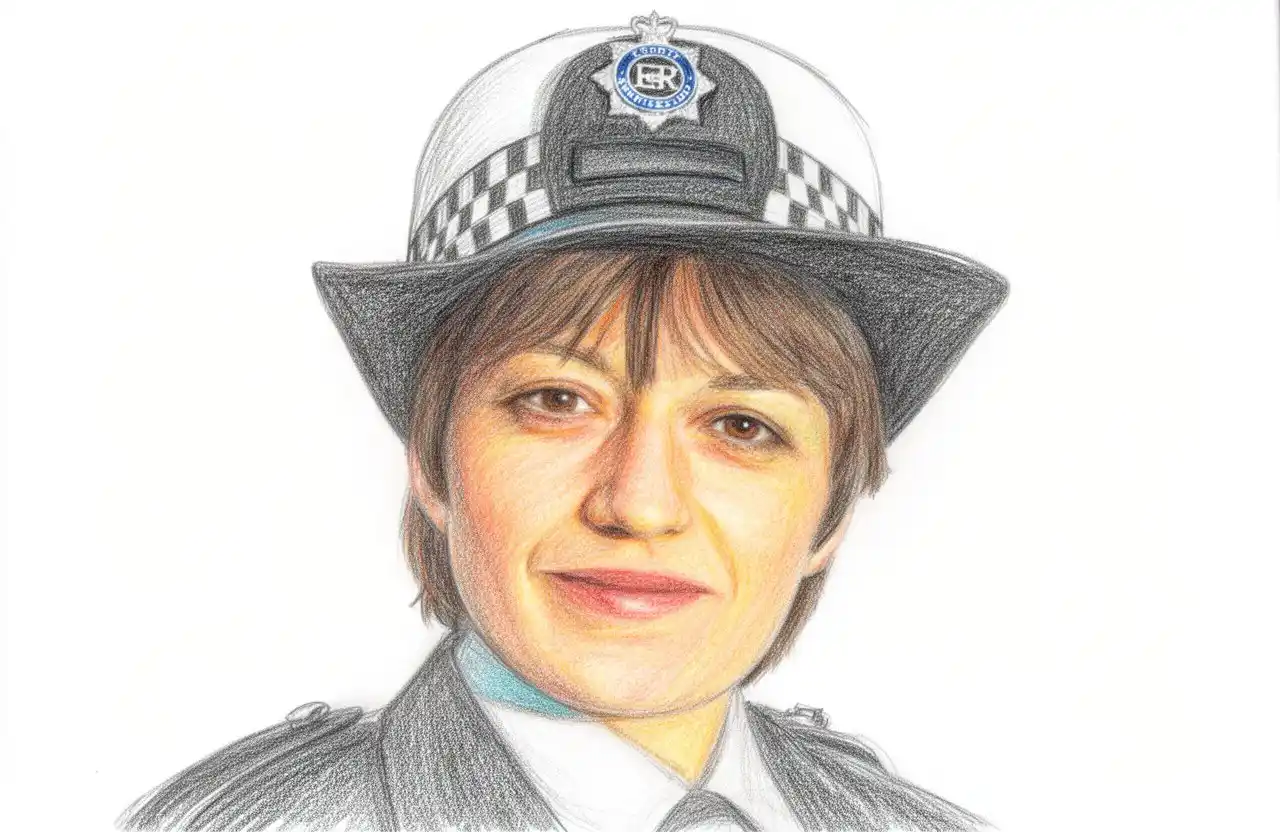
My Critique of Juliet Bravo
Juliet Bravo forged a credible path for female authority in British policing drama, staging Inspector Darblay’s command with sober procedural detail and northern provincial grit. Its strength lay in negotiating everyday domestic fractures and workplace misogyny rather than glamorising chase or shootout, offering patient, community-rooted policing.
Yet the format could feel rigid, and early stories sometimes foregrounded tokenism over complexity, undercutting character depth with didactic sexism debates. Against The Sweeney’s machismo or The Gentle Touch’s sharper style, it felt measured, sometimes muted, but notable for authenticity.
For modern viewers, it matters as a foundational text on gendered institutional leadership, and as a window into early-80s Britain’s social anxieties. Its methodical storytelling rewards patience, though its pacing and certain performances now seem dated.
Principal Characters & Performances
Inspector Jean Darblay
Stephanie Turner brought a quiet, formidable authority to the role of Inspector Jean Darblay, the first commanding officer of Hartley police station. Her performance was the bedrock of the series’ early years.
Darblay was not a revolutionary firebrand but a consummate professional determined to do her job well.
She faced scepticism and casual sexism from some colleagues with a steely patience, proving her competence through meticulous police work and a deep understanding of her community. The character’s home life with her husband Tom, played by David Hargreaves, provided crucial grounding.
It showed the balancing act required of a woman in her position, adding layers of warmth and resilience to her character. Turner’s portrayal made Darblay relatable and respected, a pioneer whose strength lay in her unwavering dedication to the principles of the job.
Inspector Kate Longton
When Anna Carteret took over as Inspector Kate Longton for the final three series, the show introduced a different but equally compelling energy. Longton was slightly more assertive and direct in her management style, a reflection of the changing times within the force itself.
Carteret’s performance ensured continuity of the show’s core premise—a woman in command—while bringing her own character’s history and personality to Hartley. Longton’s dynamic with the station’s sergeants and constables evolved, but the fundamental challenges of leadership and community policing remained.
Her tenure allowed the series to explore how a different personality approached the same problems, keeping the concept fresh and demonstrating that there was no single “right” way to be a female inspector.
Sergeants and Supporting Cast
The station’s backbone was formed by its sergeants, who provided continuity and the day-to-day texture of police life. David Ellison’s Sergeant Joseph Beck initially embodied the old guard’s doubt about Darblay, but his character developed into a loyal and respected colleague.
Noel Collins as Sergeant George Parrish offered a more easy-going but equally dedicated presence. The detectives also shaped operations, with Tony Caunter’s DCI Jim Logan and later Edward Peel’s DCI Mark Perrin representing the CID side.
Uniformed constables like PC Brian Kelleher (C.J. Allen) and PC Danny Sparks (Mark Botham) added youthful perspective.
The series also served as an early showcase for future stars in guest roles, with actors like Kevin Whately and Colin Baker appearing in individual episodes, each adding to the rich tapestry of Hartley’s stories.
Key Episodes & Defining Stories
Shot Gun
The very first episode, written by creator Ian Kennedy Martin and directed by David Reynolds, had a tremendous amount of work to do. It immediately establishes Inspector Jean Darblay’s precarious position by presenting a high-stakes crisis: a father, Rodney Maskell (Tony Melody), holding his daughter Maureen (a young Joanne Whalley) at gunpoint.
This isn’t just a police procedural; it’s a direct test of Darblay’s command. Every decision is scrutinised by her sceptical team, particularly Sergeant Beck.
Fans remember it as the perfect mission statement for the series.
It combines tense, community-focused drama with a nuanced exploration of workplace sexism, all while avoiding easy answers. Darblay proves herself not through bravado but through calm negotiation and sound judgement, setting the tone for everything that follows.
Rage
This episode, from a story by Ian Kennedy Martin and written by John Foster, is often cited for its brave and distressing subject matter. It centres on a woman who arrives at Hartley station claiming to have killed her baby, throwing the officers into a desperate race against time.
The story is a powerful example of the series’ commitment to tackling serious social issues within the framework of a police show. It’s less about solving a crime and more about preventing a tragedy, delving into postnatal distress with a sensitivity rare for its time.
For fans, “Rage” demonstrates Juliet Bravo’s heart and its willingness to use the police station as a window into profound human crises, showcasing Darblay’s empathy and determination in a uniquely harrowing situation.
Family Unit
Written by Ian Kennedy Martin, this episode encapsulates the show’s core strength: exploring crime and conflict within the intimate, fragile context of family and community. The plot involves Darblay intervening in a domestic situation strained to breaking point.
It highlights the police role as mediator and social worker, a facet of provincial policing the series consistently championed. This is where Juliet Bravo truly differentiated itself from more action-oriented contemporaries.
The drama comes from nuanced character interaction and the heavy responsibility of the police to make things better, not just to enforce the law. Fans appreciate these quieter, character-driven stories that paint a comprehensive picture of a police officer’s duty in a small, interconnected town.
The World of Juliet Bravo
The fictional Lancashire town of Hartley was as much a character as any of the officers. Based on real locations like Great Harwood and filmed across towns such as Bacup, Colne, and Accrington, it presented a authentic portrait of a working-class northern community in the early 1980s.
The landscape of mill towns and Pennine moorland provided a stark, grounded backdrop. Hartley Police Station itself, filmed at the real station on Bank Street in Bacup, felt like a functional, unglamorous workplace.
Storylines emerged from local businesses, pubs, and housing estates, dealing with unemployment, domestic strife, and petty crime. This setting created a world where policing was inherently community-based, where officers knew the residents and the problems were deeply rooted in the social fabric of the place.
Origin Story
Juliet Bravo was created by writer Ian Kennedy Martin, who had previously devised the gritty ITV drama The Sweeney. Produced in-house by the BBC, it first aired on BBC1 on 30 August 1980.
The concept was groundbreaking: a prime-time police procedural led by a female inspector.
The lead character, Jean Darblay, was inspired by a real-life inspector, Wynne Darwin of Great Harwood. The title itself came from police radio procedure, with “Juliet Bravo” being the call sign for the inspector on duty, not a character’s name.
The series was produced initially by Geraint Morris, with later series overseen by Terence Williams. Early studio work was at BBC Television Centre, later moving to Pebble Mill in Birmingham, while location filming remained firmly in the North of England.
Narrative Style & Tone
Juliet Bravo was a deliberate, naturalistic police procedural. It favoured routine and community-based work over sensationalism or high-speed action.
Episodes were self-contained, fifty-minute narratives resolved within a single instalment.
The tone was sober and realistic, focusing on procedural detail and the interpersonal dynamics of the station. Scenes alternated between the intimate, studio-bound police station and location footage on real northern streets, creating a tangible sense of place.
The series used its cases to explore serious social issues like domestic violence, juvenile delinquency, and mental health, always framed through the lens of local policing. Its style was straightforward, character-driven, and deeply grounded in the everyday reality of its setting.
How is Juliet Bravo remembered?
Juliet Bravo is remembered as a pioneering and fondly-regarded staple of British television drama. It holds a significant place in history as one of the first prime-time series to feature a female police inspector in the lead role, alongside ITV’s The Gentle Touch.
Retrospectives consistently highlight its thoughtful portrayal of workplace sexism and its grounded, community-focused approach to crime stories. While it didn’t win major awards, it achieved substantial popularity during its original run and has enjoyed a long afterlife through repeats on channels like UK Gold and Drama.
It maintains a dedicated fanbase who appreciate its authentic northern setting, its character-driven stories, and its important role in shifting perceptions of women in authority on screen. The show is celebrated for its realism and its quiet, confident championing of a different kind of police hero.
In Closing
Juliet Bravo stands as a classic of British television, a police procedural that valued character and community over car chases, and in doing so, quietly broke new ground.